
Gear: Chapter 5
Camouflage has trends too

I went hunting. I shot a gun for the first time.

I loved it. But mostly because I didn’t kill anything. I was mostly tagging along as my friend Rebecca got a hunting lesson from Fisher Neal. I have to admit, I see why Americans like to shoot stuff.
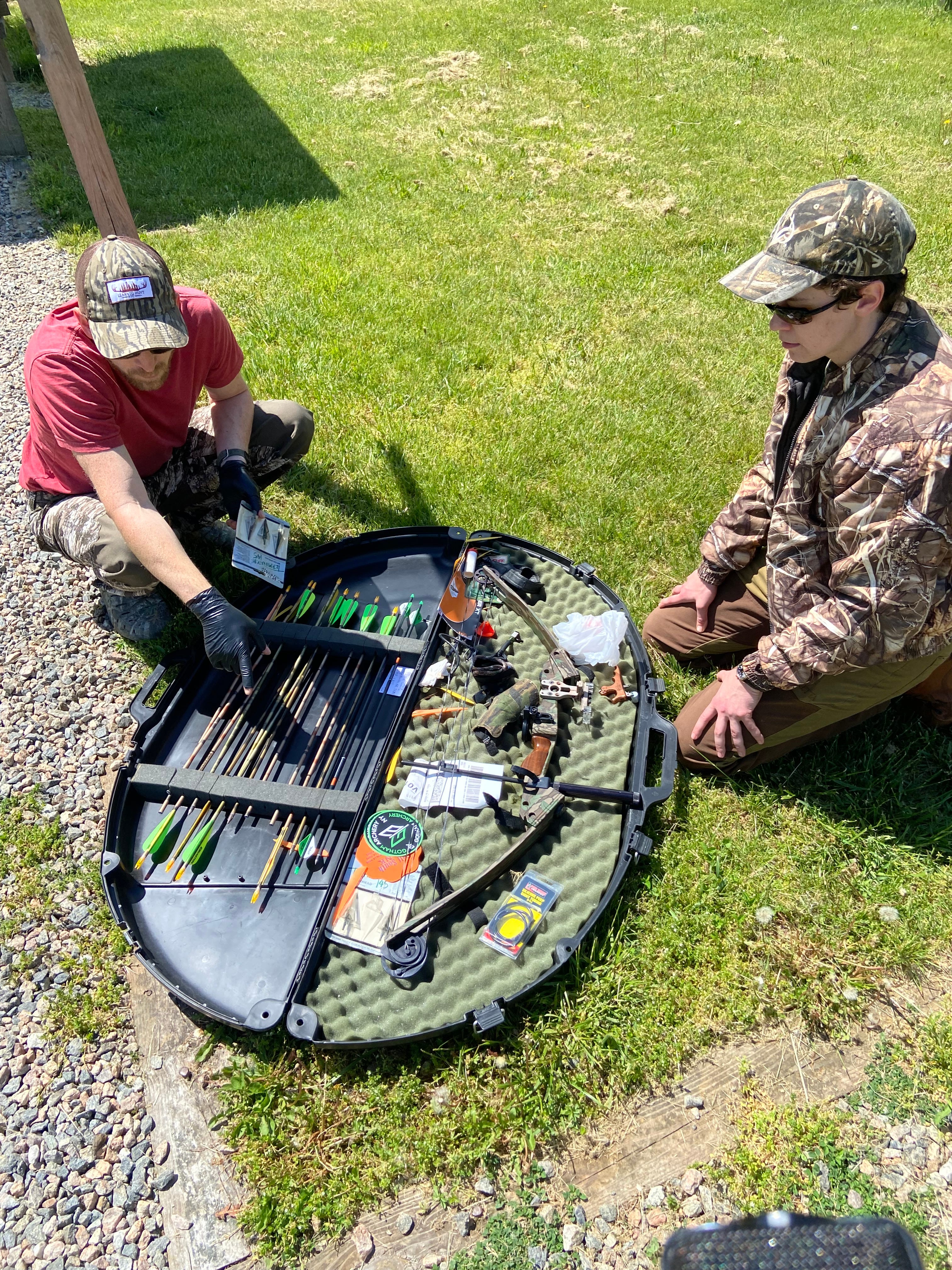
But I wasn’t there to talk about guns. I was there to talk about camo. That’s the clothing I associate with gun culture, right? And even though hunting camo and army camo are very very different, they both serve similar purposes: they are both about hiding from stuff. But in both cases, the camo is also subject to trends. It’s not purely practical.
Take, for example, the military’s trend for digital camouflage.
This fashion movement was kicked off in the 1990s by the Canadian army, when they released their CADPAT (Canadian Camouflage pattern) in a pixelated form.

Kind of badass looking, right? And so the US Marines followed their lead, and released MARPAT (Marines Pattern)
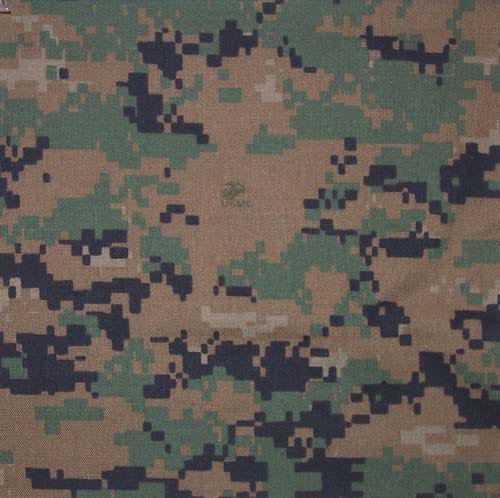
By the way, the Marines still use this pattern! You just don’t often see Marines in their combat fatigues because that is so not a part of their culture. But my friend Alex obliged me by changing into his fatigues:
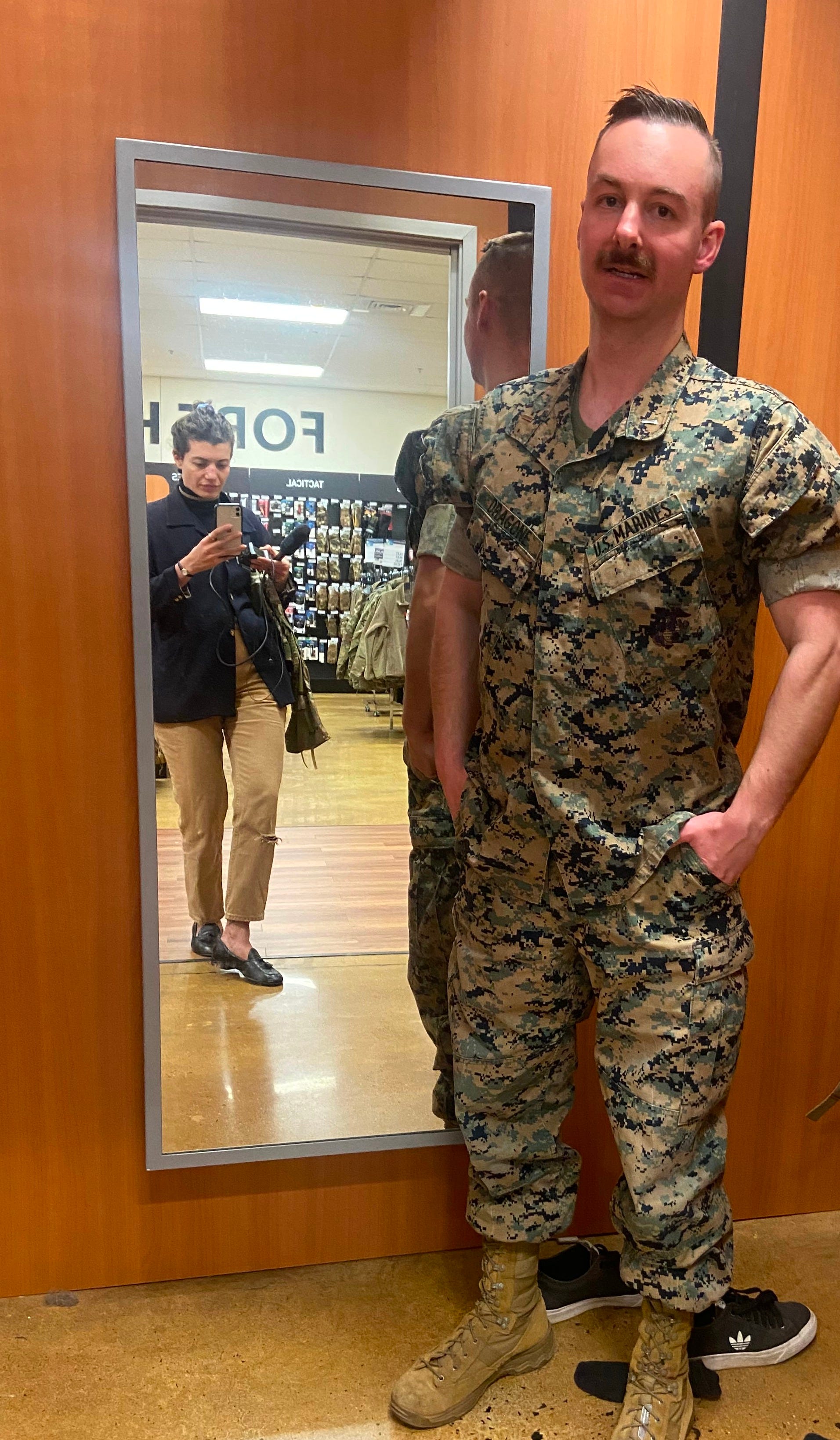
So after the Marines took on MARPAT, then this digi camo thing really took off, every branch wanted their own digital camo, no matter if it was actually practical or not. The most offensive example of this was that the Navy created their own digital camo… that was blue. And immediately sailors were like “….what the hell we don’t want to blend in with the ocean!??”

But the biggest branch to take this on was, of course, the Army. They created a new digital camo pattern called UCP, or the Universal Camouflage Pattern. It was called “Universal” because it was supposed to blend in with many different environments.
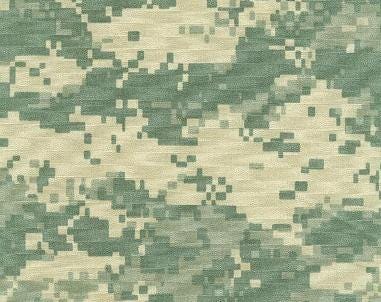
But as season consultant Charles McFarlane will tell you, UCP was “a camo that stuck out like a sore thumb.” The only thing that was universal about it was that it universally blended in with nothing.
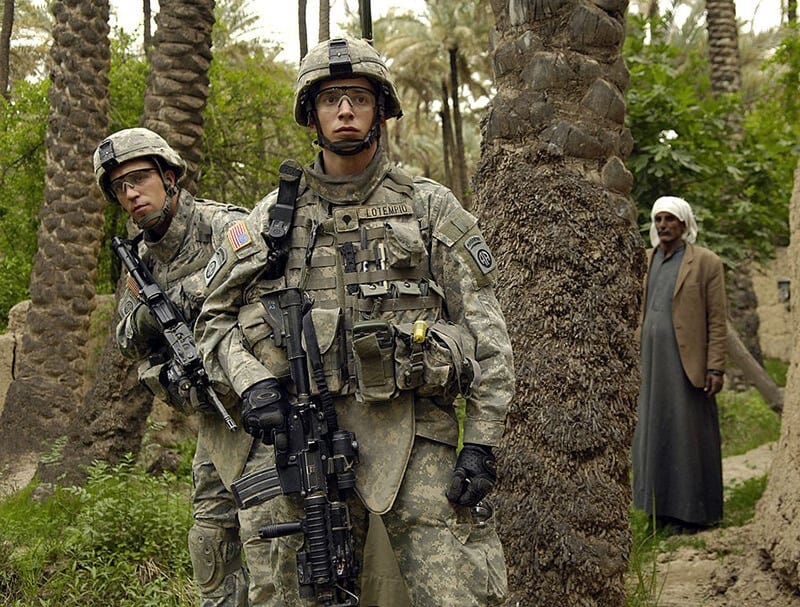
And so this pattern was soon replaced by another trend. OCP. Operational Camouflage Pattern. Which I saw for sale on the military base that Alex took me to:
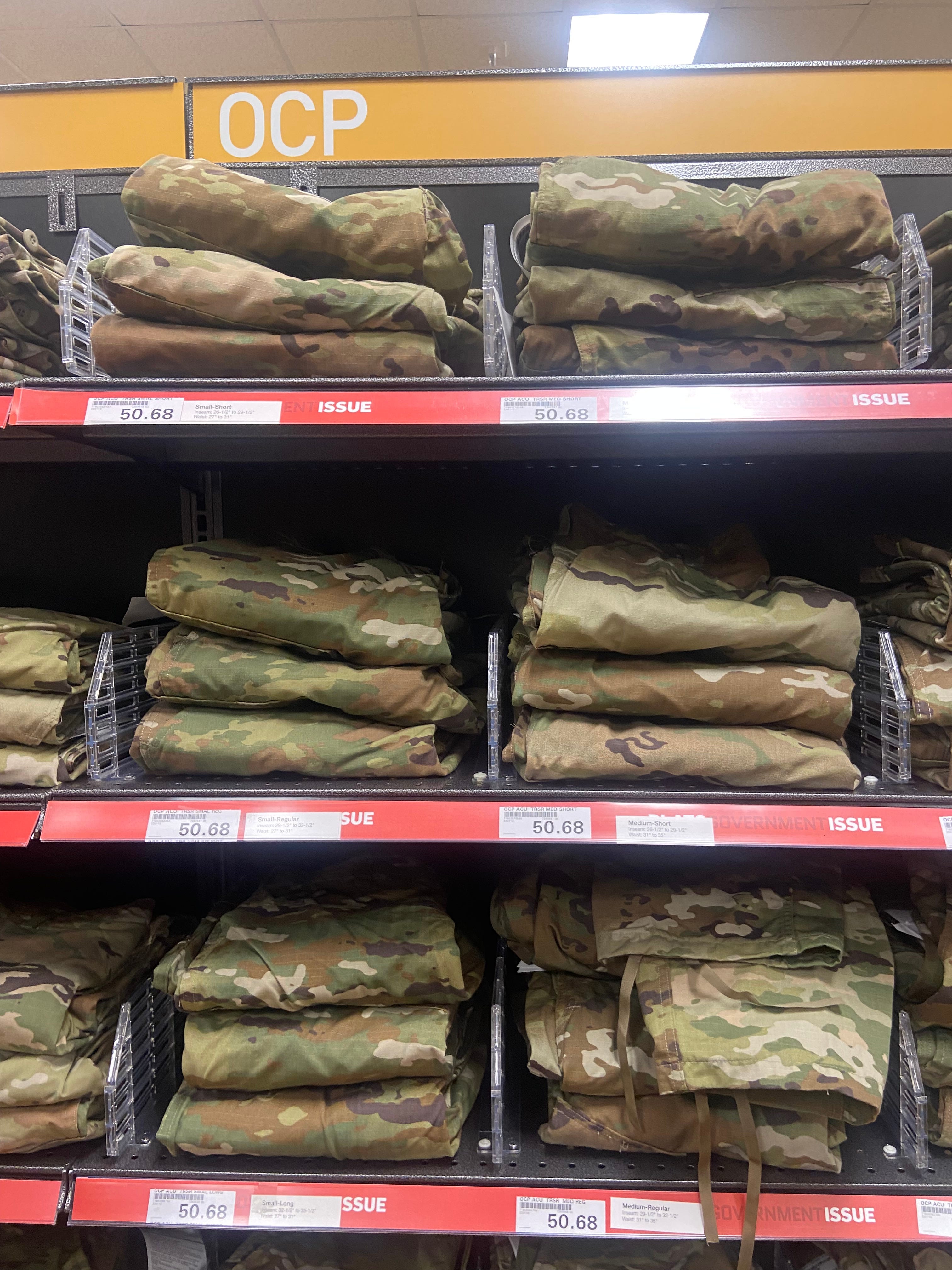
And you’ll note that this camo is very very very similar to another pattern called Multicam. Very similar:

And multicam is worn in a lot of places. Including by police and militias.
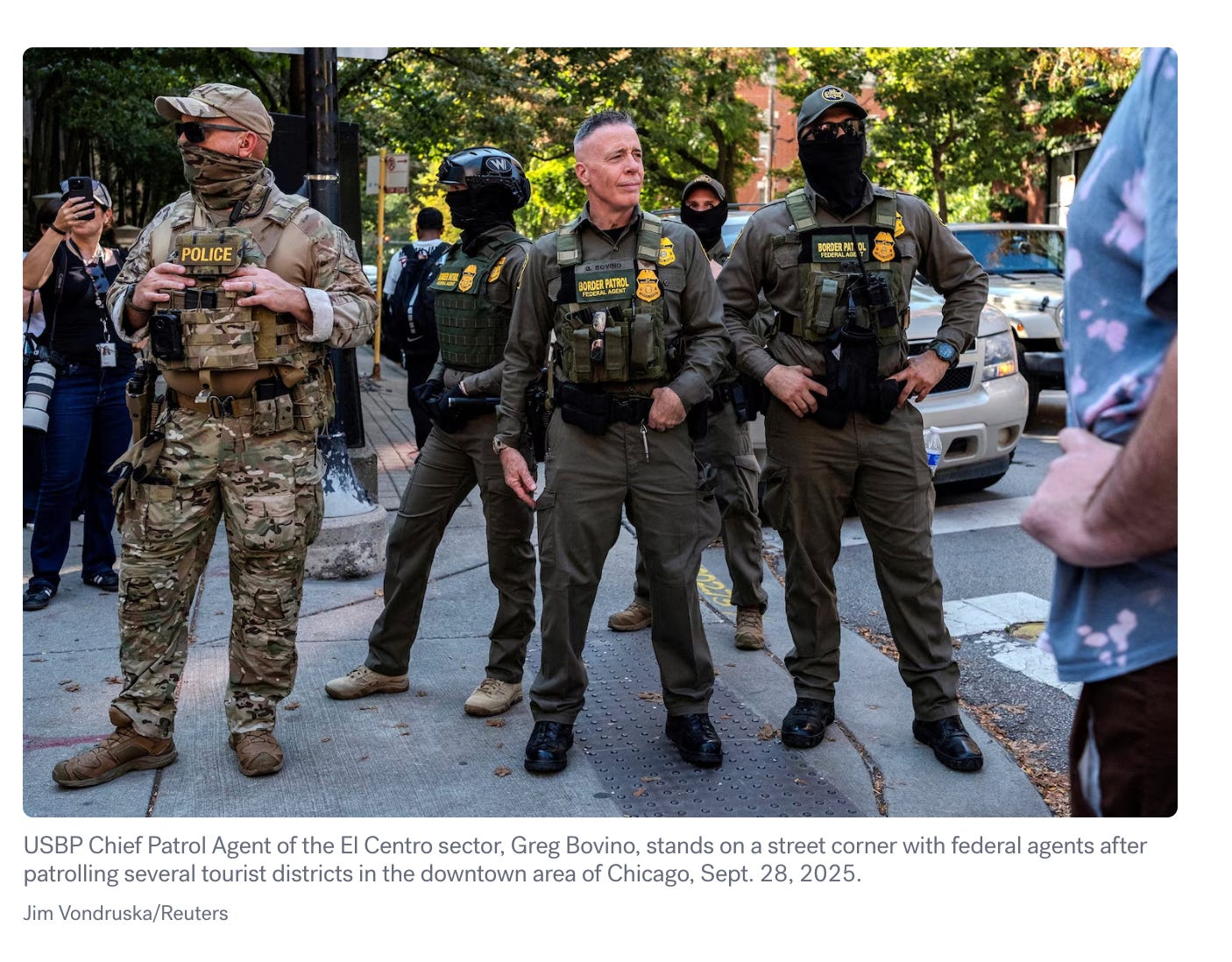
The military and local police are already looking very similar, in terms of what gear they have access to, and the camouflage is only making it more visually confusing. So much so that the New York Times had to release a guide for how to tell who is who.

This episode is about the drama that got us to this point. There’s a whole story behind it.
Really appreciated the mention at the end about how camo is received in the Caribbean. I was never into it, but when I studied abroad in Nicaragua, our prep packet specifically called out that we were never to wear camo print. It’s very triggering for people, many of whom have personally experienced war and US backed aggression (my host mom told me about hiding Sandinista fighters in her childhood home during the Contra War). During a trip to El Salvador, we stood in the exact spot where our guide had to hide during their civil war from a US-trained soldier who tortured his neighbor by pulling out their nails one-by-one. I wasn’t consciously avoiding camo, but that study abroad experience was when I decided to never wear overtly military inspired clothing again. Not out of some reverence for service members, but because I have no desire to romanticize the clothing worn to commit these (and many other) atrocities.
I live in St. Louis, and walking around as camo-clad guardsmen with tanks occupied my community during the Ferguson protests was enough to turn me off the print even more. Many of us in the US are so removed from military violence that we forget/trivialize the original purpose of these uniforms.
Old, wizened me in Seattle, who listens to AOI: “wow it’s so interesting to read about just how intricate camouflage is, and how it reflects a panoply of decisions made over time to further the mission of warfare.”
Younger me from Texas, upon reading the first two paragraphs: “Fuck yeah, Trufelman. Get ‘er done.”