
Episode: School Uniforms
They're not just for Catholics

Hey check the feed! If I may indulge the cliche, we are so back.
I’m making three episodes this summer before a proper new season comes this fall. I’ve also been saving up written articles from some of my favorite writers, which will be here on the substack. It’s nice to be here.
But this. This is a story I’ve been jonesing to research for a while.
School uniforms. Where did they come from and what do they mean now? Why were they once only for fancy schools and now they seem to be for… everyone?
(I know I’ve been on a Catholic kick for a minute now but what can I say? They’ve got style)
I worked on this story with brilliant animator (and former Catholic school girl) Grace Tarducci, who made an animated companion to this story.

The Catholic school uniform is so classic, so long-lasting, that it’s survived decades seemingly untouched by fashion.
For example, look at this picture from Grace’s aunt in the 70’s
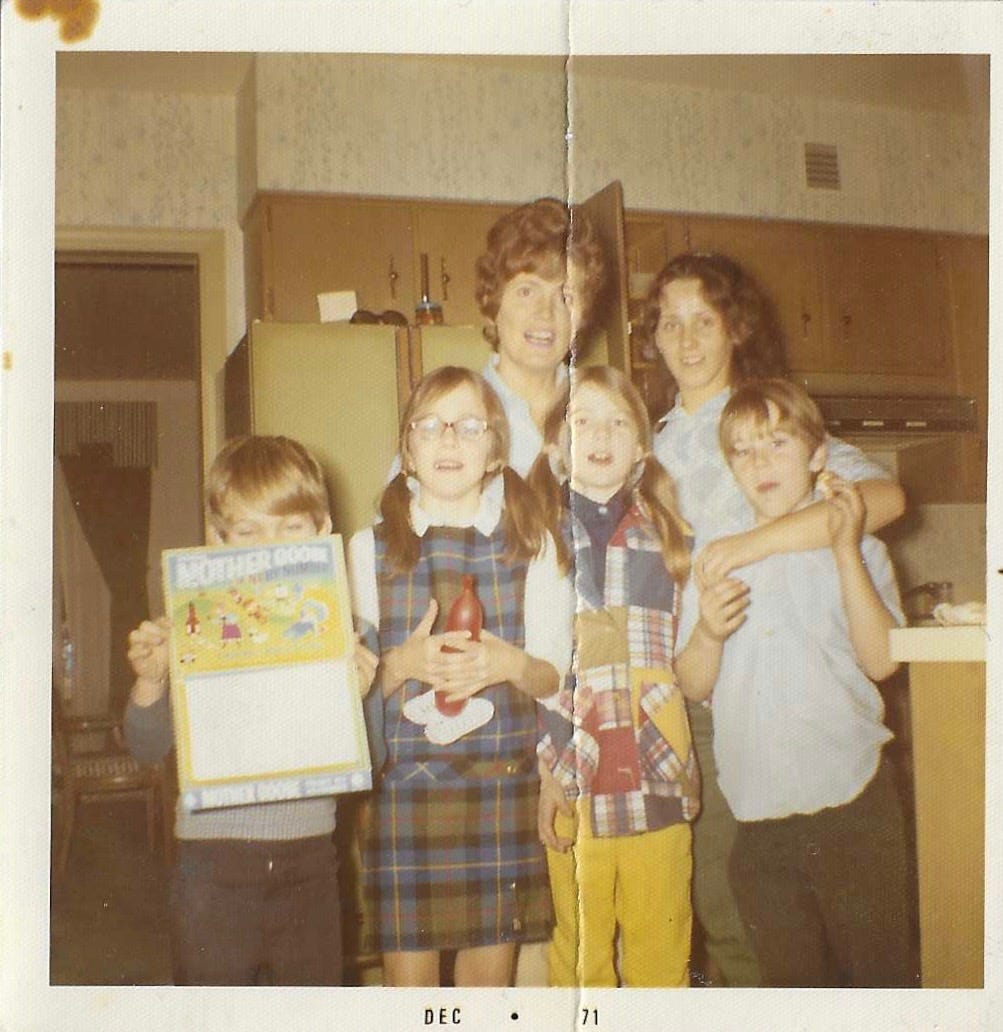
And here’s Grace, attending the same elementary school in 2006
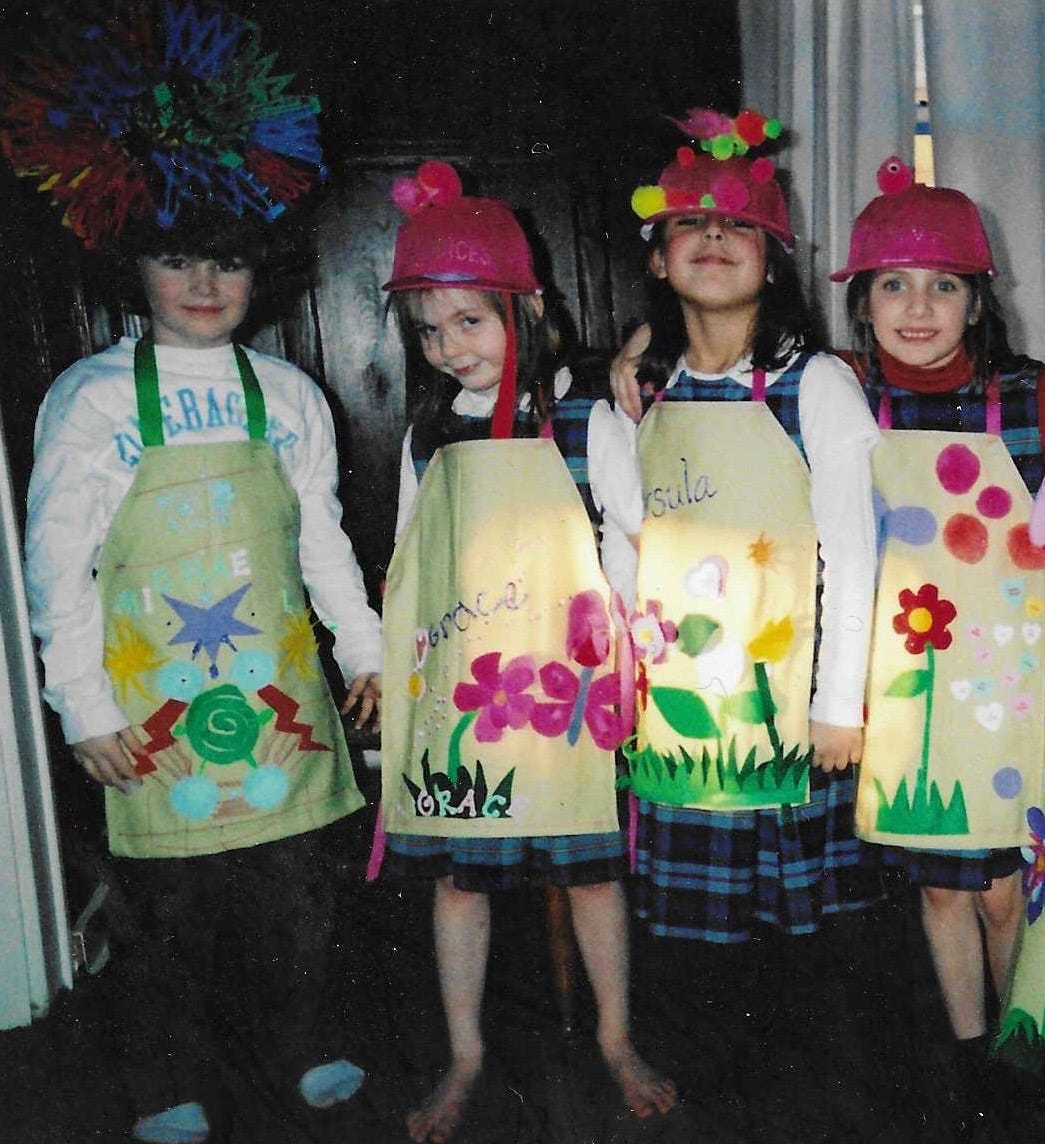
Ok, I know it’s a little compromised by the apron, but it’s essentially the same outfit. And these are pretty far removed from what the earliest school uniforms looked like in the United States. The first most prominent example was in Indian Boarding schools, where indigenous kids were stripped of their clothing and put into militaristic uniforms.
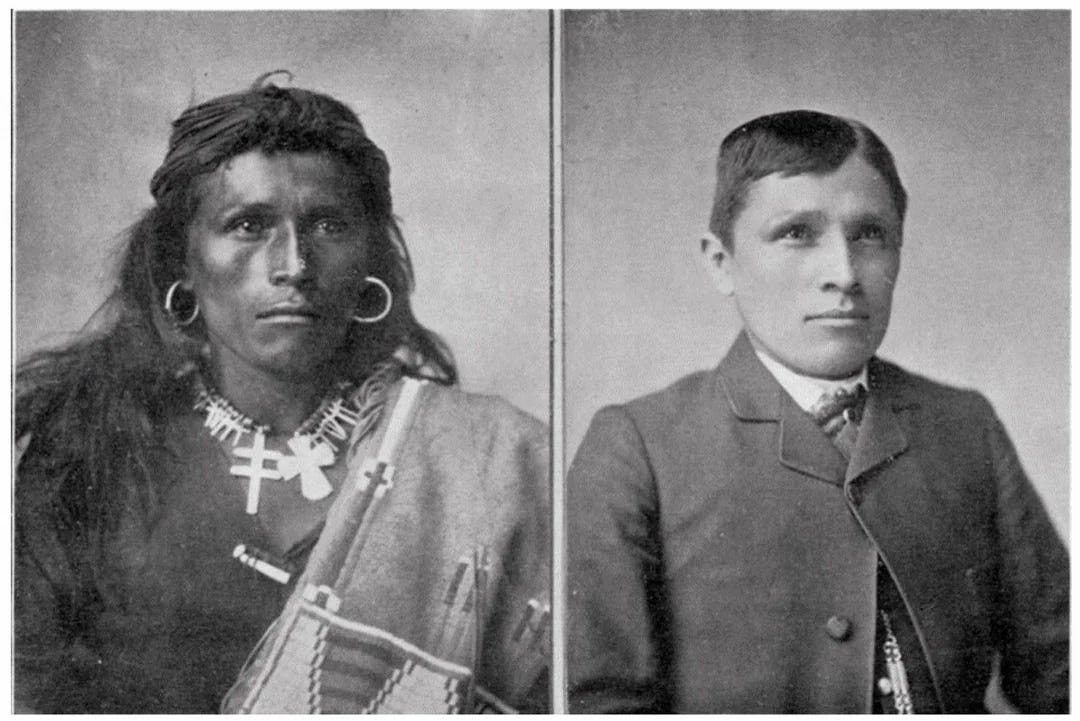
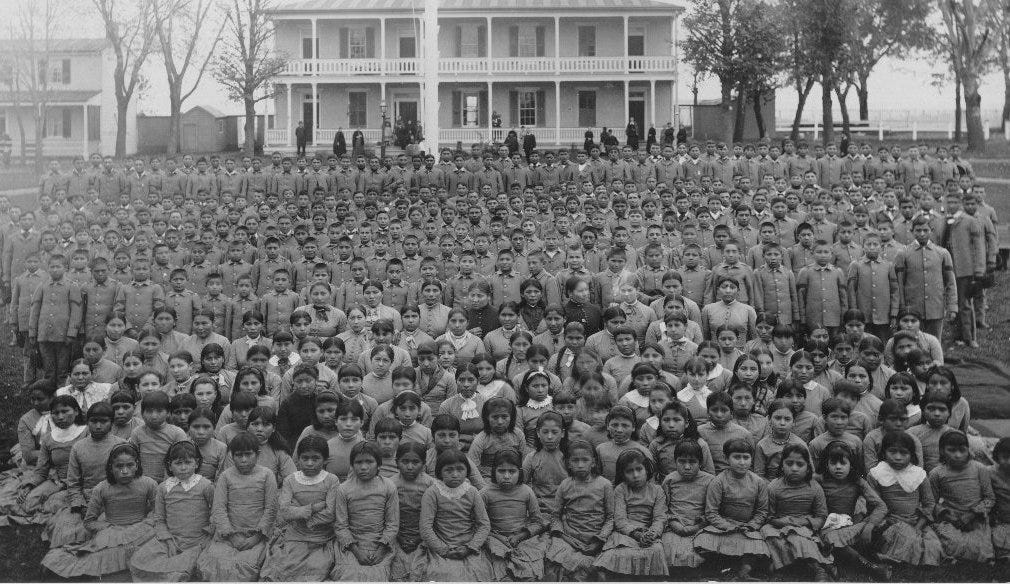
This sort “charity work” was funded by establishing elite private schools, known as convent schools, for wealthy Catholic girls. And although upper-class girls wouldn’t stoop to buy mass produced, readymade clothing, the students were given specifications to take to their tailors, so that they’d have these conservative little dresses that made them look more like nuns.
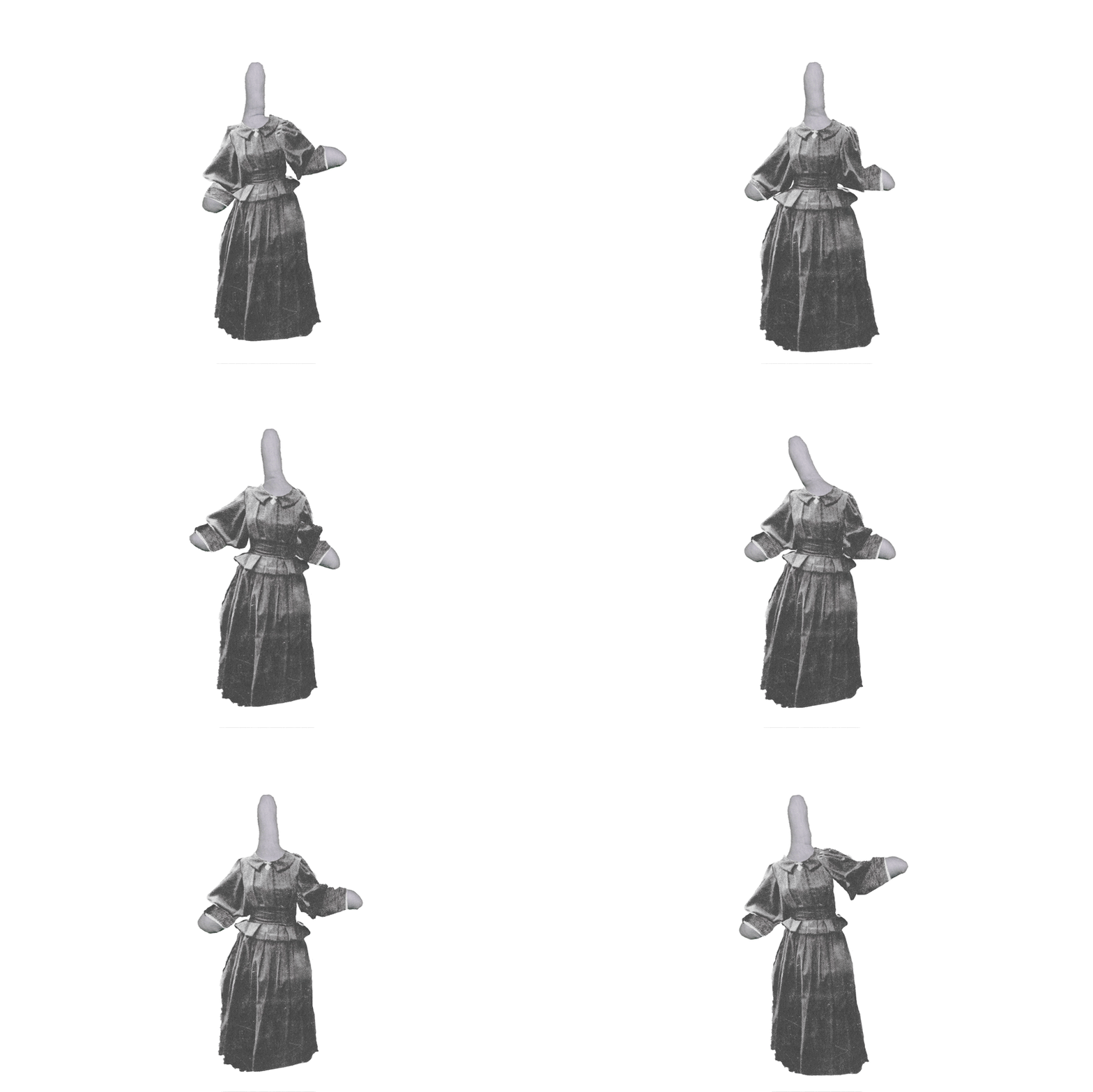
As public schools developed (as you’ll hear, quite late in the American project), the Catholic church sought to make more schools to compete with them. As uniforms became more commonplace in the public eye, increasingly, public schools started to police what students wore.
These regulations were called into question when a thirteen-year-old named Mary Beth Tinker was suspended from her public school in Des Moines, just for wearing an armband to protest the Vietnam war.
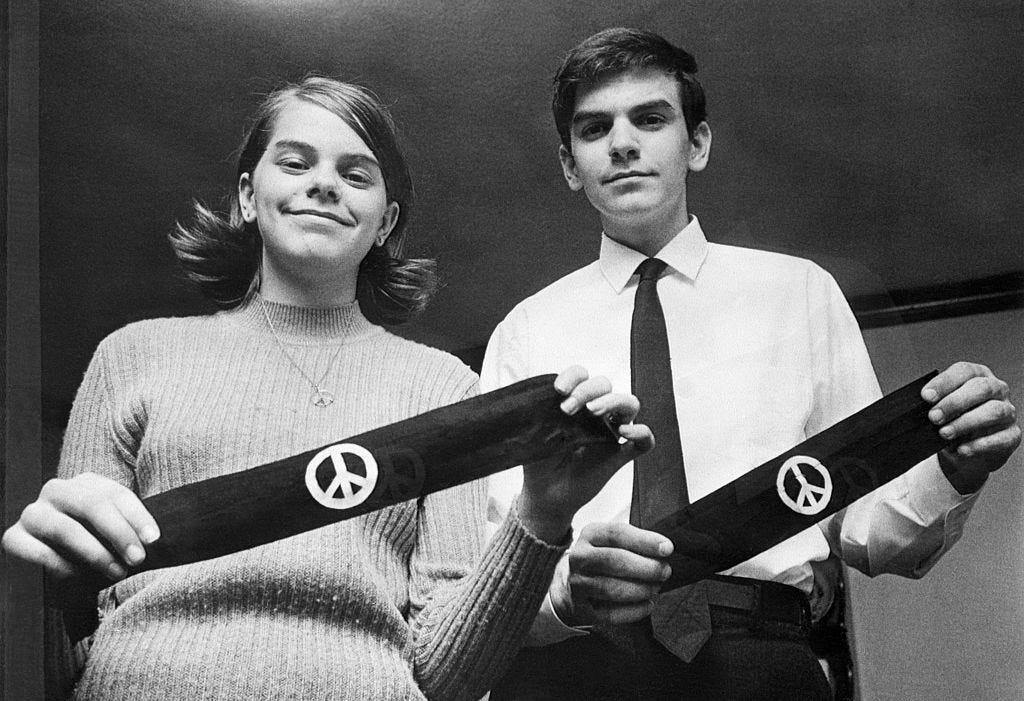
With the help of the ACLU, Tinker sued her school district and won. But it didn’t mean the death of the school uniform. In fact, quite the opposite. Dress codes, especially in charter schools, seem especially pronounced. And the consequences of compliance seem as dire as ever.

Grace’s full six minute summary of the episode is here:
Thank you Grace this is so cool.
We also worked with our friends at the kid’s podcast Brains On to make a version of this show for kids! If you have an elementary school student who is curious about why they do or don’t have a uniform and where they come from, this is really fun and informative.
Ok, thank you for listening. More to come.
WE ARE SO BACK!!!
I always feel like this is one of the big cultural differences between the US and UK that we always notice when watching one of the many US high school tv shows — basically all schools here have a uniform. Sure, they’re a lot less strict and old fashioned than the catholic school uniforms mentioned here, but the idea of wearing your “own clothes” to school here is reserved for special days at the end of term.
One thing that comes up in conversation is the level of strictness to which a school will police uniforms — a common rebellion will be pushing the regulations on things like lengths of ties and skirts. I remember following the letter of our rules, if not the spirit, by wearing floor-dragging baggy black corduroy trousers (I was 14 in 2004 ok!!).
But one key thing there is that the rules were often policed differently for different groups, allowing for a certain level of arbitrariness in punishments, which in hindsight definitely entrenched privilege.
EDIT: also, WE ARE SO BACK, this is the best news, my absolute favourite podcast