
Lace and Labor
Lessons from the actual luddites.


What happens when a machine is poised to take your job? Fear of automation, trad wives, and America First movements. None of this is new.
This month’s episode is made with knitter and audio producer Elizabeth Kauma, who has written this fun accompaniment to the episode. The floor is yours, Elizabeth.
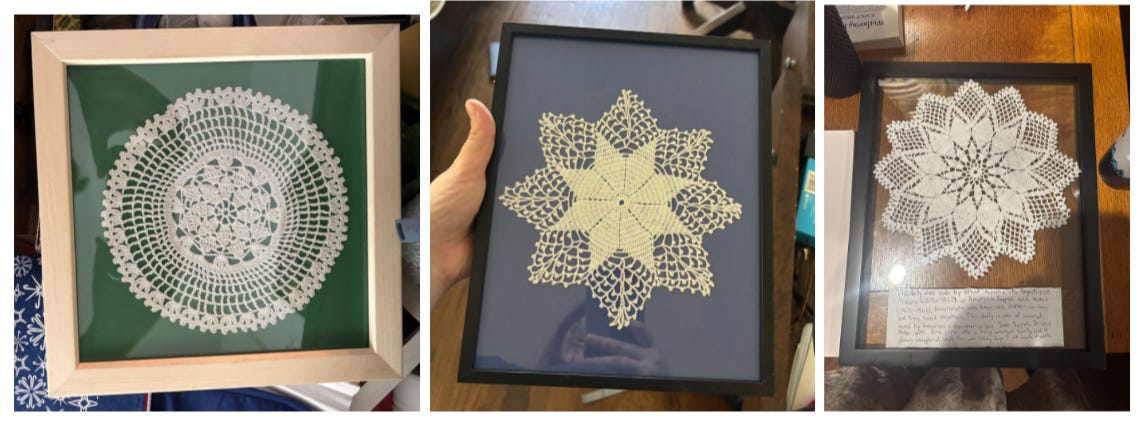
My grandmother was this close to throwing out my great-grandmother and great-great-grandmother’s crochet. It had been in a box in her closet untouched for decades, and she was downsizing.
Luckily, I was there to save them, and I’ve been diligently framing them and giving them to different members of my family. I didn’t want to see these pieces go into the landfill because they were obviously labors of love. Heavy on the labor.
As a fiber artist (cough, knitter and crocheter, cough) myself, I have always known that making things is work. Still, it wasn’t until I started reporting on this episode that I realized how intertwined the history of labor and fiber arts really were.
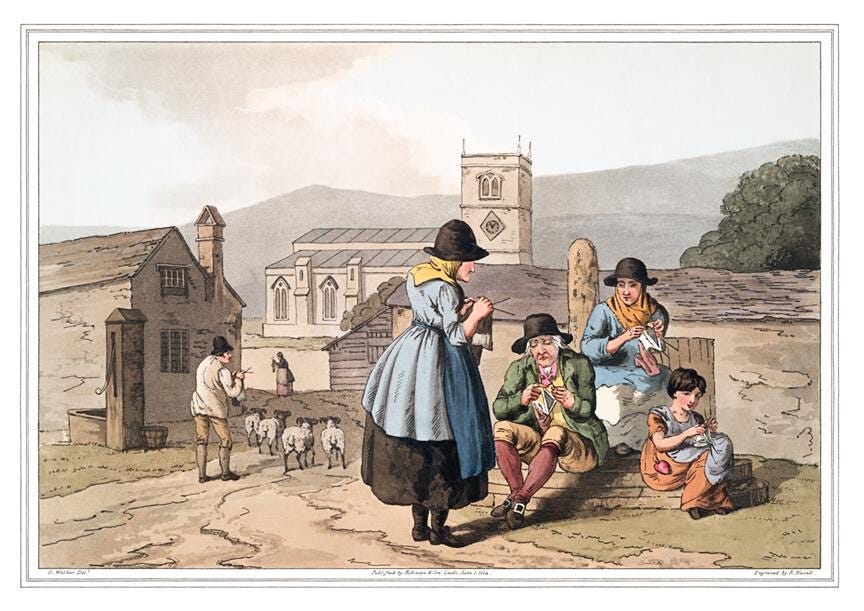
Knitting is my first love. As a craft, it is also substantially older than crochet and what we call “true lace” or bobbin lace. As such, it has a longer history of labor. Knitting first shows up as a profession in the Medieval ages in male-only knitting guilds, but it was practiced as a subsistence activity for a long time by both men and women. Sandy Black, a professor of fashion and textile design and technology at London College of Fashion, said it was socks that really sparked what we think of as the knitwear industry today.
“We call the knitwear industry the hosiery industry,” Black said. ”In the trade, it’s still known as that because that was where really what stimulated its growth and development.”
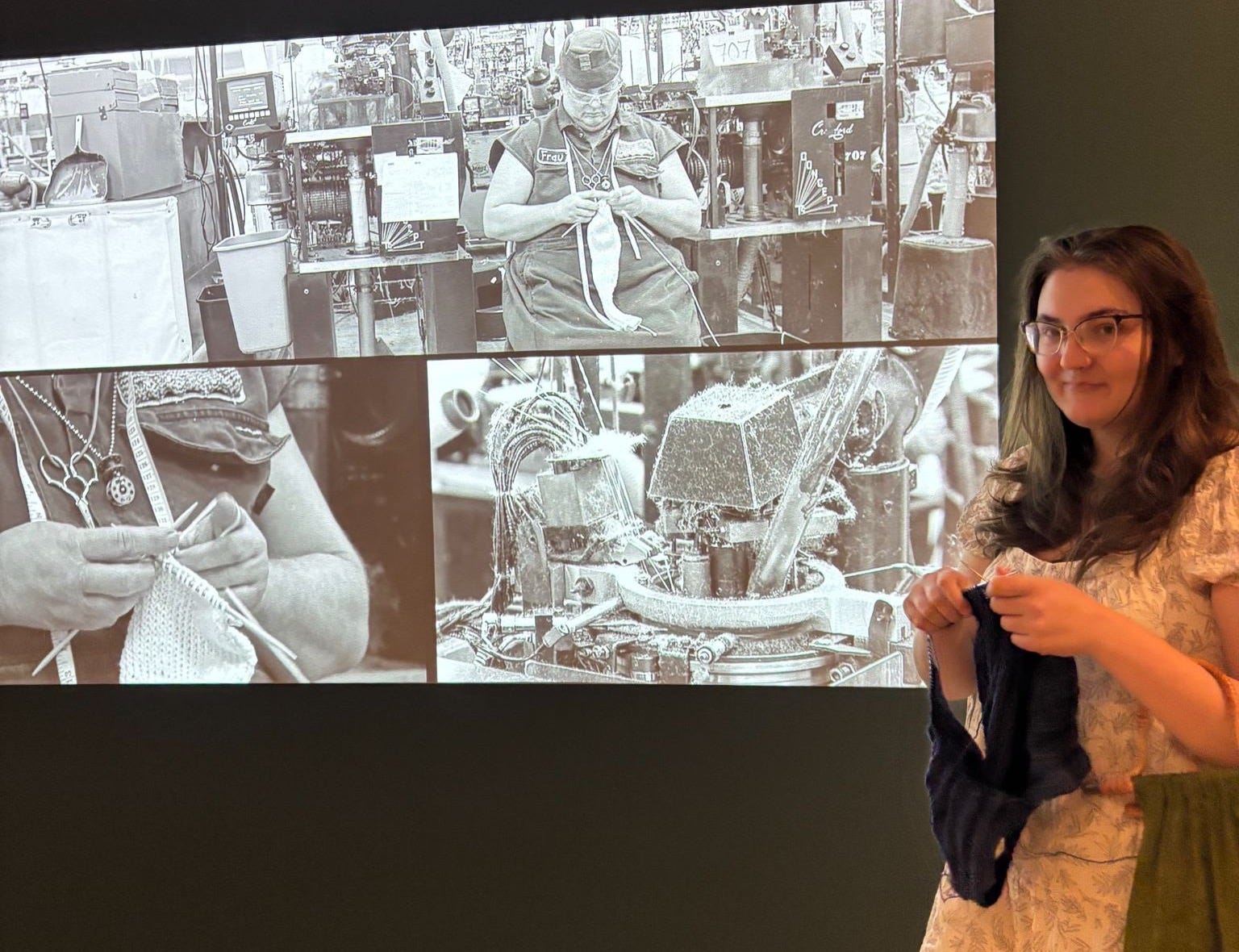
Socks didn’t just stimulate the development of a cottage industry of handknitters; it also inspired Reverend William Lee to invent the framework knitting machine. While the handknitting industry survived for about two hundred years after the invention of the framework knitting machine (and its subsequent faster, less human-dependent iterations), eventually most handknitters couldn’t make it work.
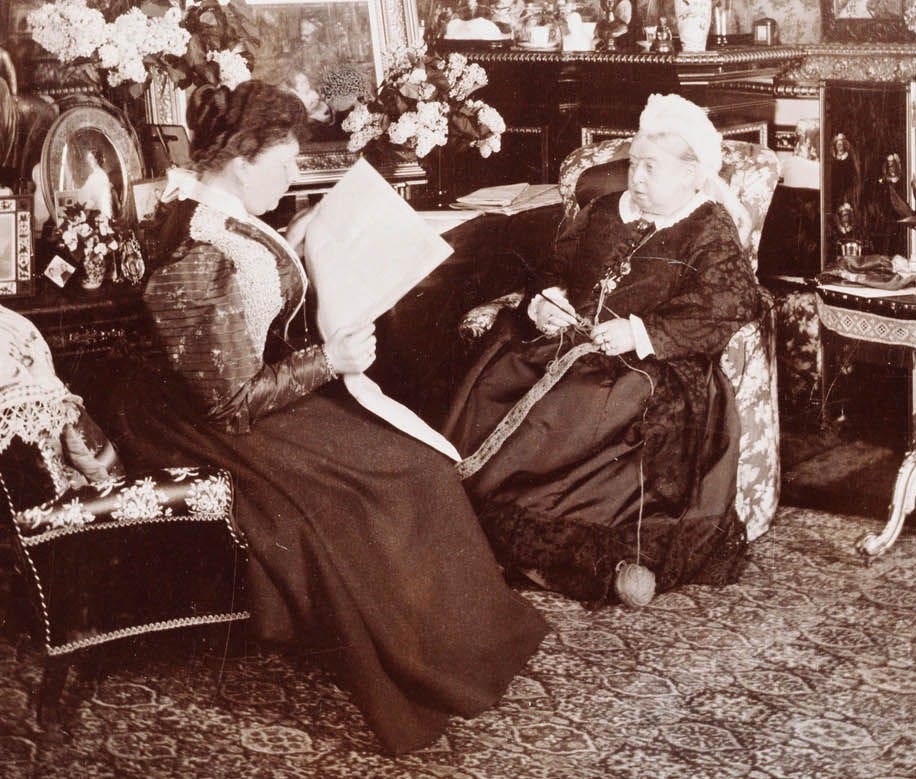
While hand knitting as a labor activity might have been in its death throes, knitting as a hobby for Victorian upper-class ladies of leisure was on the rise, and they weren’t knitting anything as useful as socks – god forbid!
According to Esther Rutter, a knitting scholar and author of This Golden Fleece (which I recommend), once knitting became a leisure activity, it went from a respectable trade done by both genders to a pastime particular to women.
But knitting had some competition in the drawing room for these elite women’s time, and it came in the form of a newcomer to needlework: Crochet
Crochet, unlike knitting, is made with a hook rather than needles, and importantly, it can’t be made by machine.
It is also notably a very good technique for making lace, which was all the rage in the Victorian era. If you want to find out what and who turns this elite hobby into a desperately needed cottage industry, listen to the episode.
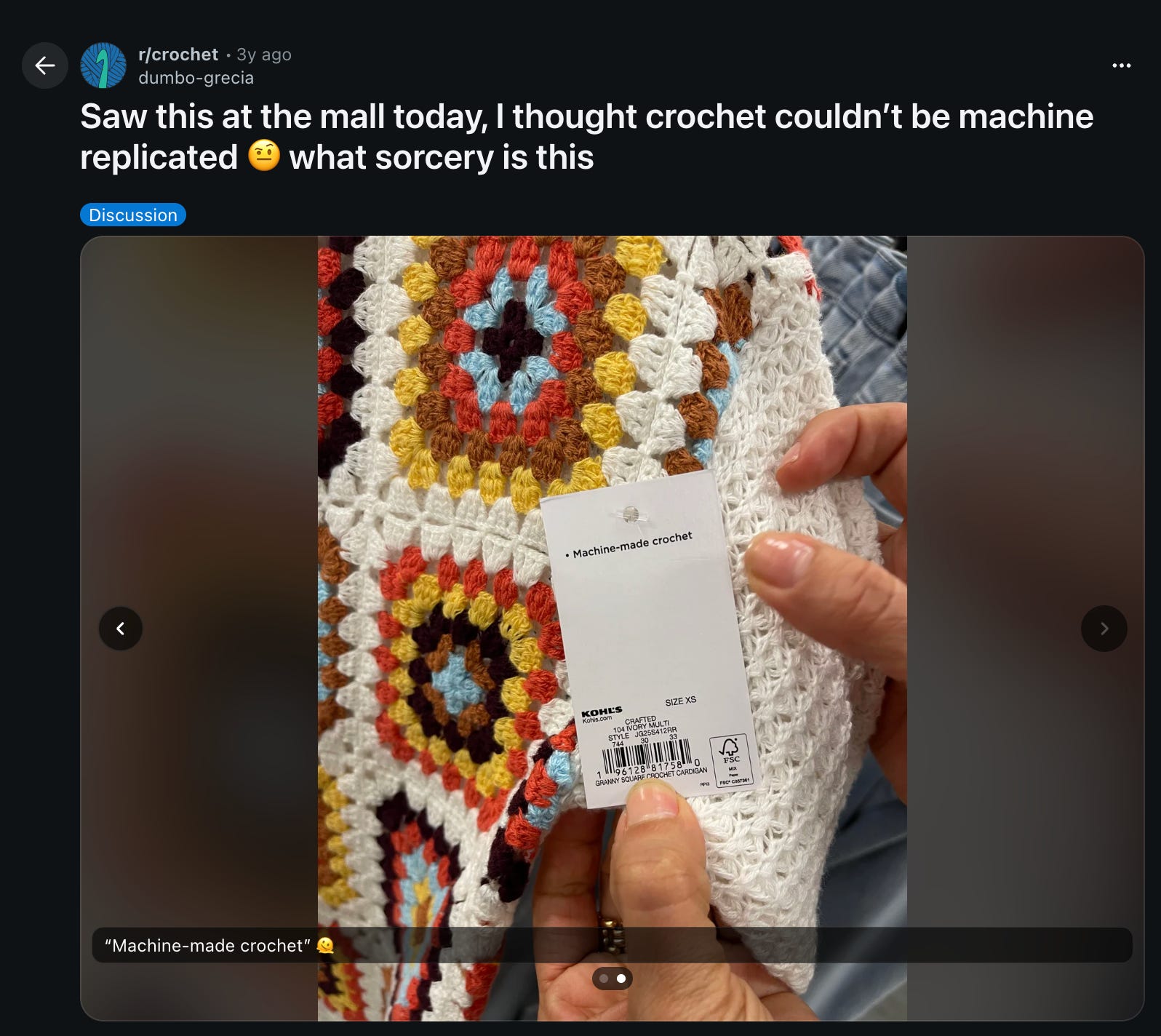
But if you are concerned about the crochet of today, specifically all the crochet items you see from fast fashion retailers, you might not need to worry so much. There are lace machines and knitting machines that can make imitation Crochet.
If you want to be able to tell what is real versus imitation crochet here are some pro-tips:
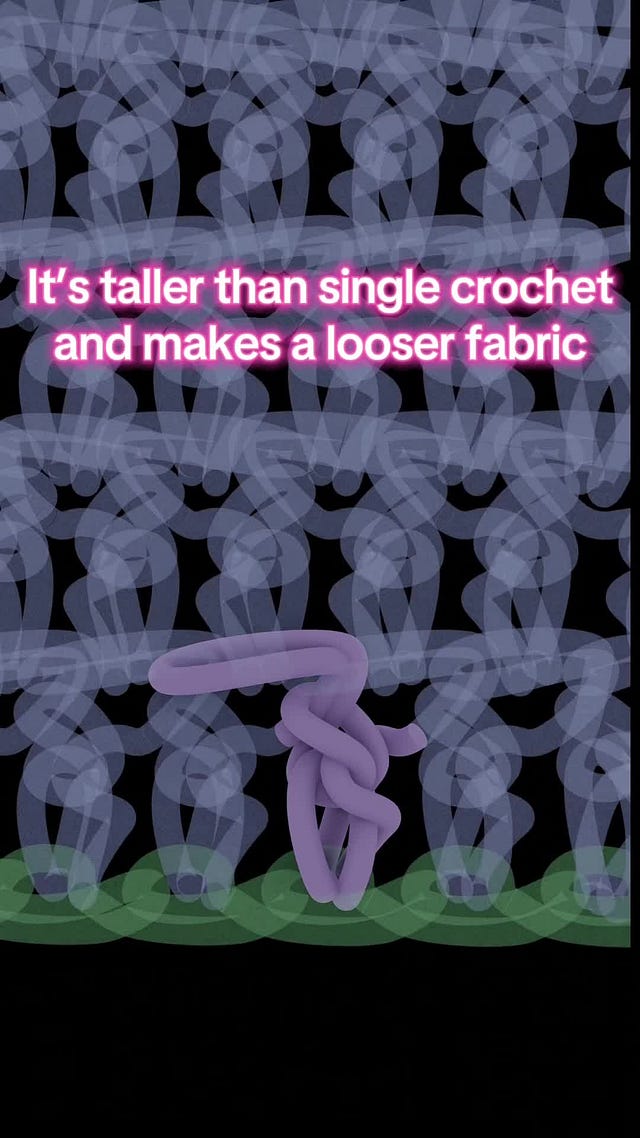
Look closely– crochet stitches have a distinct look. The thread is twisted and folds in on itself. This makes both the fabric and the individual stitches thick.
 Tiktok failed to load.
Enable 3rd party cookies or use another browser
Turn the item inside out.
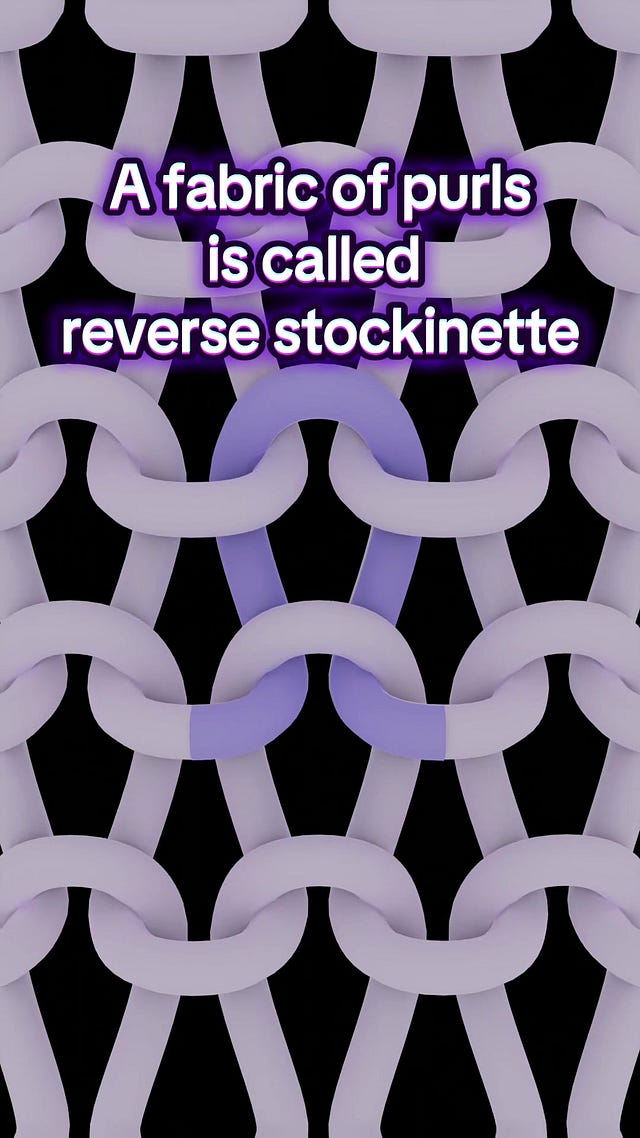
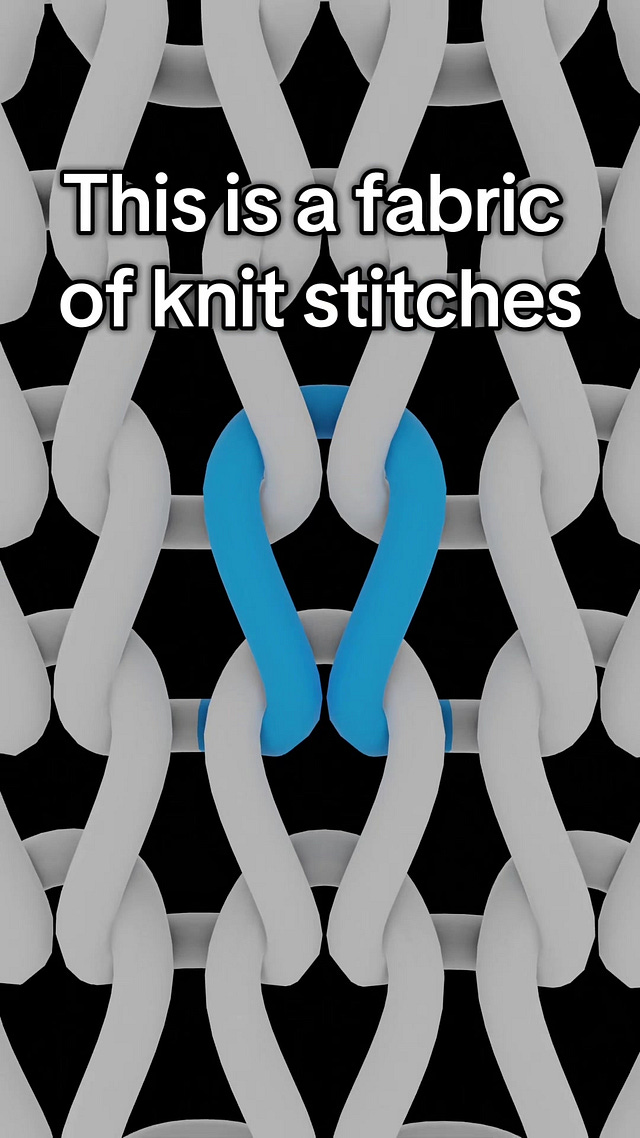
Knitted items have a knit and a purl side that look very different. If the inside of the garment looks like a different stitch than the outside, it knitted.
 Tiktok failed to load.
Enable 3rd party cookies or use another browser
 Tiktok failed to load.
Enable 3rd party cookies or use another browser
b. Faux crochet made by machines and embroidery often have a distinct stitching or netting on the inside of the faux crochet.
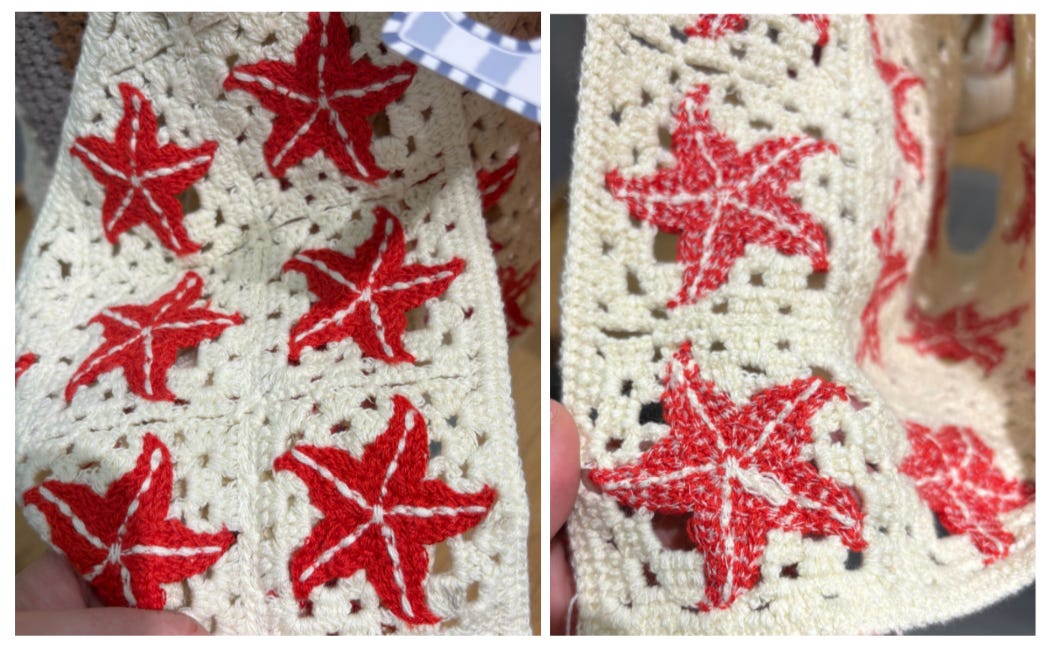
If you still can’t figure it out, err on the side of caution and don’t buy it. If you really want to purchase ethically made true crochet, brands like R. Swaider, One Of and Old Stone Trade work with hand crocheters like Maggie Koluch, who was featured in the episode.
 | A guest post by
|
I had to jump in and comment--not only does my mom have pieces of lace that my great-great-grandmother made, we have photos of her wearing one of the collars! You've reminded me that I want to do something to preserve them. Excellent article and I look forward to listening.
I paused the ep at 4 minutes in and came to the substack specifically to see if there were comments about the AI podcast, or some sort of explanation, and I am relieved to see there is!
I'm both a bobbin lace maker, knitter, crocheter, and also the registrar of a craft and design college where we are just abhorred with what is happening with AI. The way my stomach dropped when an AI podcast started to be featured, oh my! I should have known not to doubt my favourite podcast about real people and what we wear and how we do things. PHEW! :D Thank you Avery, I will resume my listen and just cringe at these fake voices, they're so unsettling!