
High Heels
They aren't as high as they used to be

A number of listeners have asked if I would ever make a story about High Heels. And I’ve always shrugged it off because I actually did make a story about high heels. But it was… ulp… 12 years ago! And listening to it now, it’s like a dispatch from another time.
It’s so interesting to think about how fashions change in accordance with our lives. Because high high heels are definitely not as in-vogue as they were in 2014.
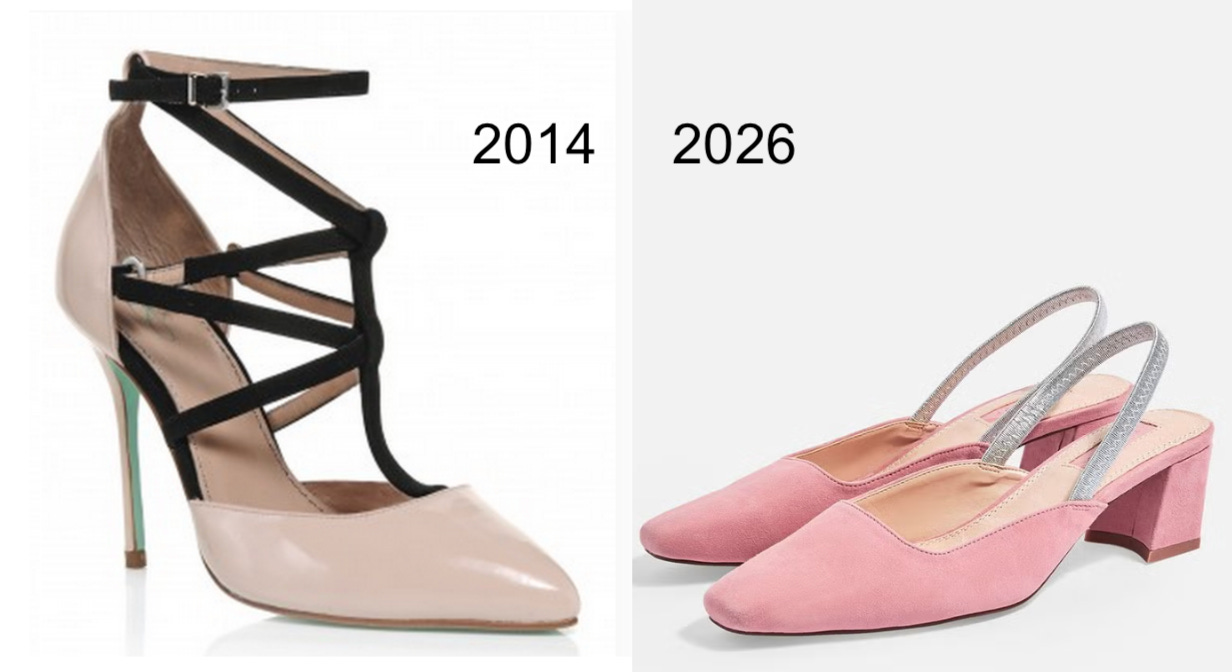
What happened? This month’s episode is a re-run and a re-contextualization: about what led up to the high heel boom of the aughts, and what has happened after.
As a fashion object and symbol, the high heel shoe is weighted with meaning. It’s also weighted with the wearer’s entire body weight. The stiletto might be one of the only designs that is physically painful but has somehow has persisted for centuries.
At their origins, high heeled shoes were originally worn by men. As early as the tenth century, many horseback riding cultures wore heels on their boots and on their shoes, because heels help you stay in the stirrups (which is why cowboy boots have heels).
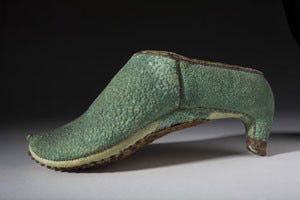
The Persian cavalry, wore inch-high heels, and the trend spread to Europe. Since they showed that the wearer owned and maintained horses, high heels became associated with upper class practice.
Eventually, upper class women began wearing heels, and then heels become a form of upper- and middle-class dress throughout the 17th century.
At the time, high-heeled shoes were not a signifier of gender. When Louis XIV wore heels, he was dressing like the pillar of normative aristocratic masculinity he was.


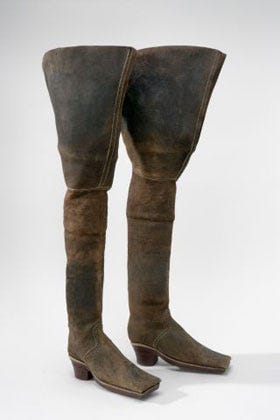
Then heels started to get gendered in their designs. Men’s heels grew broad and sturdy and women’s became tapered and decorative. Finally, in the 18th Century, men deemed them impractical, and the high heel become firmly established as a lady’s shoe.
When the French Revolution mounted in 1789, the aristocracy and their frivolous styles went out of vogue. Heels, deemed the epitome of female irrationality and superficiality went out of fashion for a very, very long time.
And then came a series of world wars. And with them, pinups.
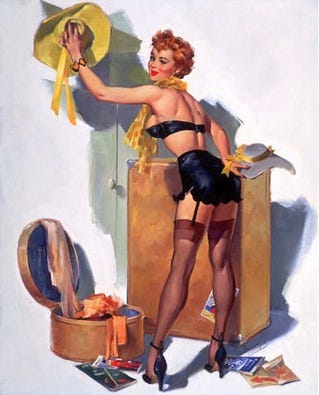
Pornography embraced high, thin heels long before fashion did, because heels work great when you’re an illustration, or just posing for a few minutes. The pinups in men’s barracks during World War II almost always had high heels on them, and when the war ended and the men returned, the stiletto was invented. When the stilletto was engineered in 1950, it brought fashion into alignment with erotica.
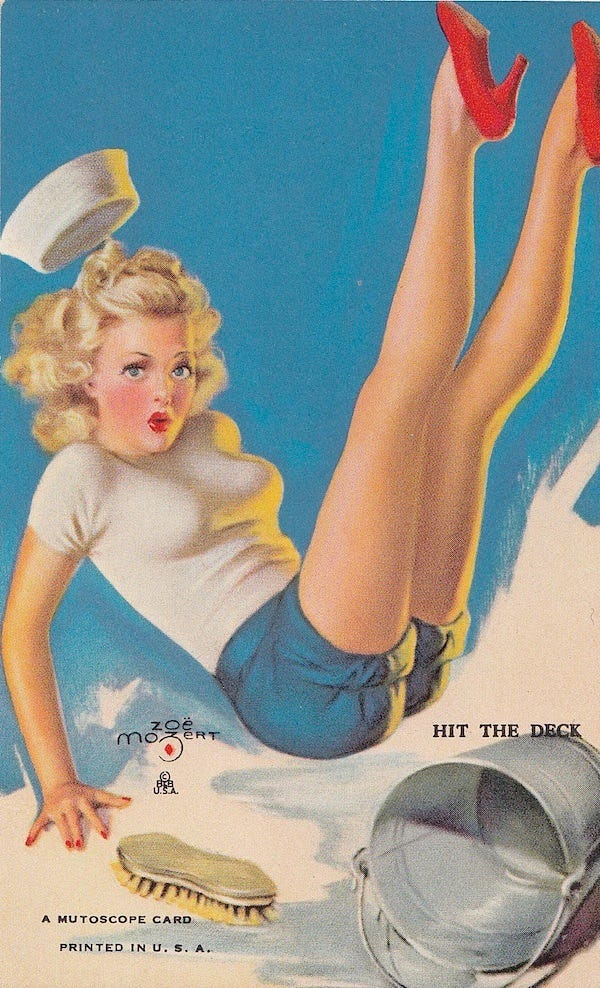
As heels made their way out of photography and into the street, and the office, and the home, engineering challenge arose around trying to make a fundamentally uncomfortable thing comfortable.
So, especially in 2014, people tried to find ways around the design. There were tons of foldable flat shoes, for when you just couldn’t stand the pain of a heel anymore (I definitely bought these), and the internet was full of hacks and tips:
In the most extreme cases, there are surgeries to shorten pinky toes and deaden nerves. All to circumvent the pain of the high heel.
With this pain in mind, twins Emily and Jessica Leung launched a wedding shoe line called Hey Lady, which is outfitted with all kinds of padding and tricks.
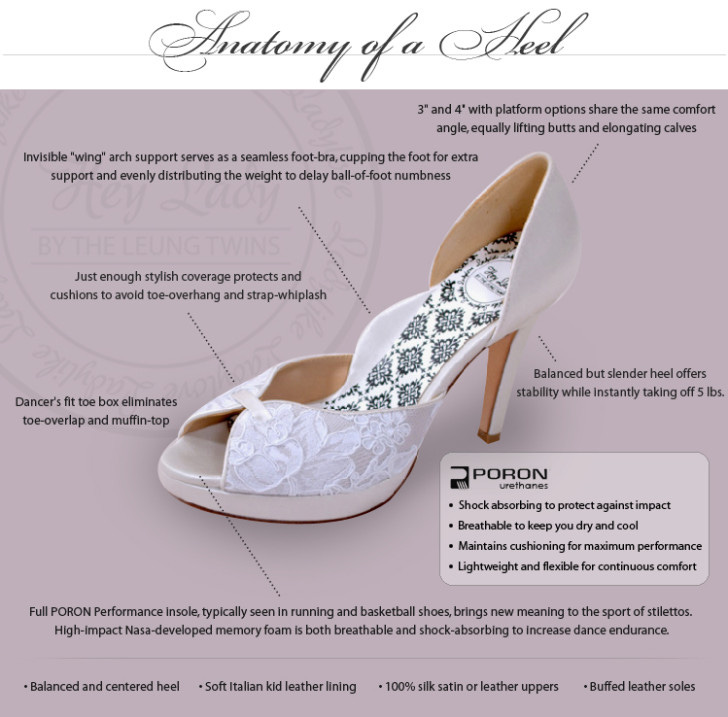
Still, the Leung twins admit that even the most wearable heels have a time limit. They had engineered their shoes to last up to nine hours, but not for the whole day.
This is where shoe designer (and former industrial designer) Martha Davis begged to differ.
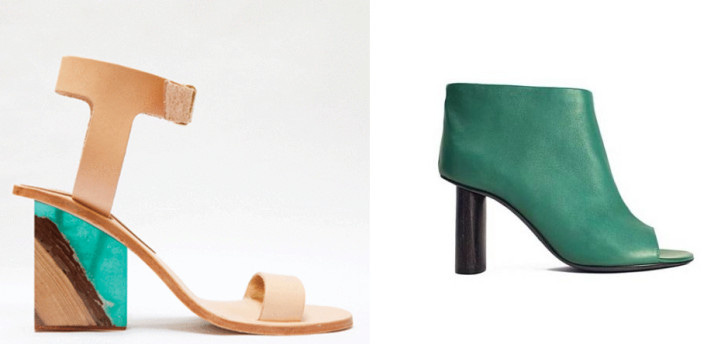
Davis studied the Lunati method of shoe-making in Milan, which is all about crunching numbers and making sure the shoe is in ideal proportions.
So, if it’s not about comfort, where did the trend for high high heels go?
It was actually a poignant answer. But I’m not saying it here. Please listen to my podcast
Way to bury the lede, Avery. Congratulations!
Check out Pashion Footwear too for the most recent high heel “hack” — fascinating the lengths we go to make something inherently uncomfortable more comfortable