
Gear: Chapter 7
+ a list of the most stylish gear for non-gearheads

When soldiers leave the military, they can have a hard time with reentry into “normal life.” According to statistics from the VA,
Veterans die by suicide at a higher rate than non-Veterans. In 2020, the age- and sexadjusted suicide rate among Veterans was 57.3% higher than the age- and sex-adjusted rate among non-Veteran U.S. adults.
Soldiers feel alienated from civilian life, and civilians feel alienated from the wars that are being fought in their name and with their money. In face, soldiers and civilians functionally live in two different Americas: one has healthcare and subsidized housing, the other doesn’t.
(Even though I don’t want to romanticize it too much- the VA is riddled with problems)
So what do we do? How do we mend this rift? And how can clothing play into it? This is the last episode of the season.
At the very end of this series we learn that, the army has switched from their “dress blues” to a new service uniform.
(The service uniform is the fancier suits that soldiers wear for weddings, funerals, and formal events.)

This new jacket is actually an old one. It’s a reboot of the ETO jacket- the field jacket that General Littlejohn, opposer of the M43 and nemesis of Joshua Kerner, designed. The jacket that used to opposed the M65. Literally, this service uniform is a reboot of an old design.
These days, army soldiers walk around looking like officers from World War II.
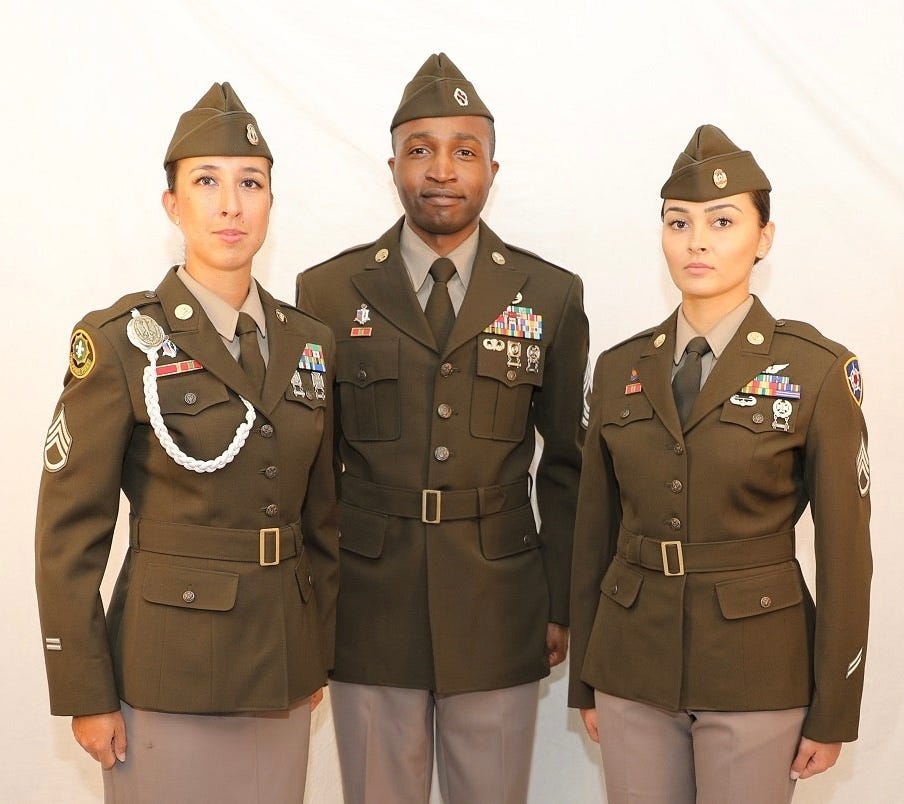
How did we come full circle back to the 1940s? Not just in soldiers’ clothing, it turns out, but in the way that war is fought. We are sort of going back in time in a strange way.
I won’t say any more. The rest is in the podcast. Which, I am honored to say, was just named one of the best podcasts of the year by the New Yorker (in excellent company- you must listen to Jad Abumrad’s podcast about Fela Kuti). Thank you so much, Sarah Larson.
But let me leave you with this. In lieu of a holiday gift list. These are just a few companies that I’ve encountered that make and sell outdoor gear that I really like. I’m not an outdoorsy person, and I don’t usually like the look of the clothes. But there are so many interesting designers who are taking outdoor wear in fascinating new places.
Wabi Wear fishes old gear out of the trash and gives it new life
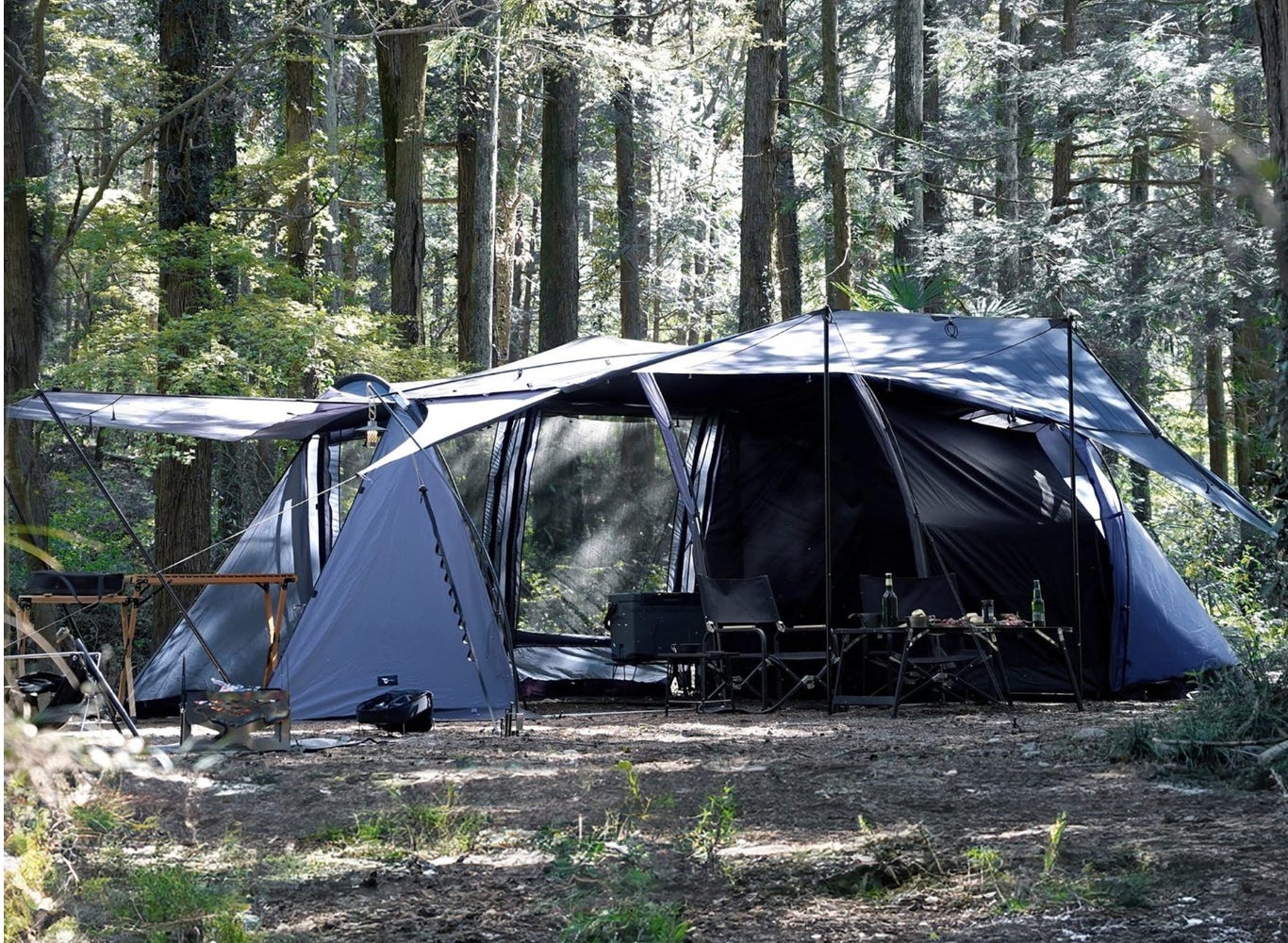
Korogi sells beautiful Japanese camping accessories and tents that look like works of art
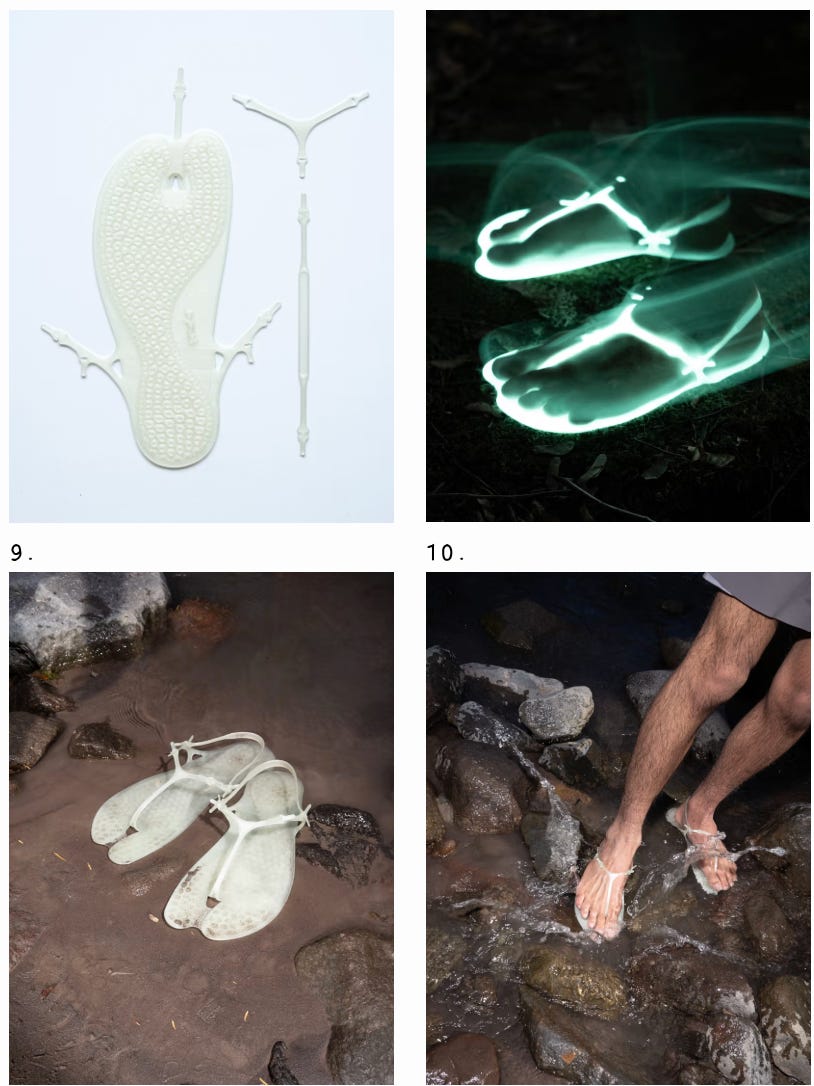
Gnuhr make brilliant, simple stylish clothing and accessories, concieved by a designer who has worked with Margiela, Louis Vuitton, Nike, and Yeezy. I especially dig these sandals that pack flat

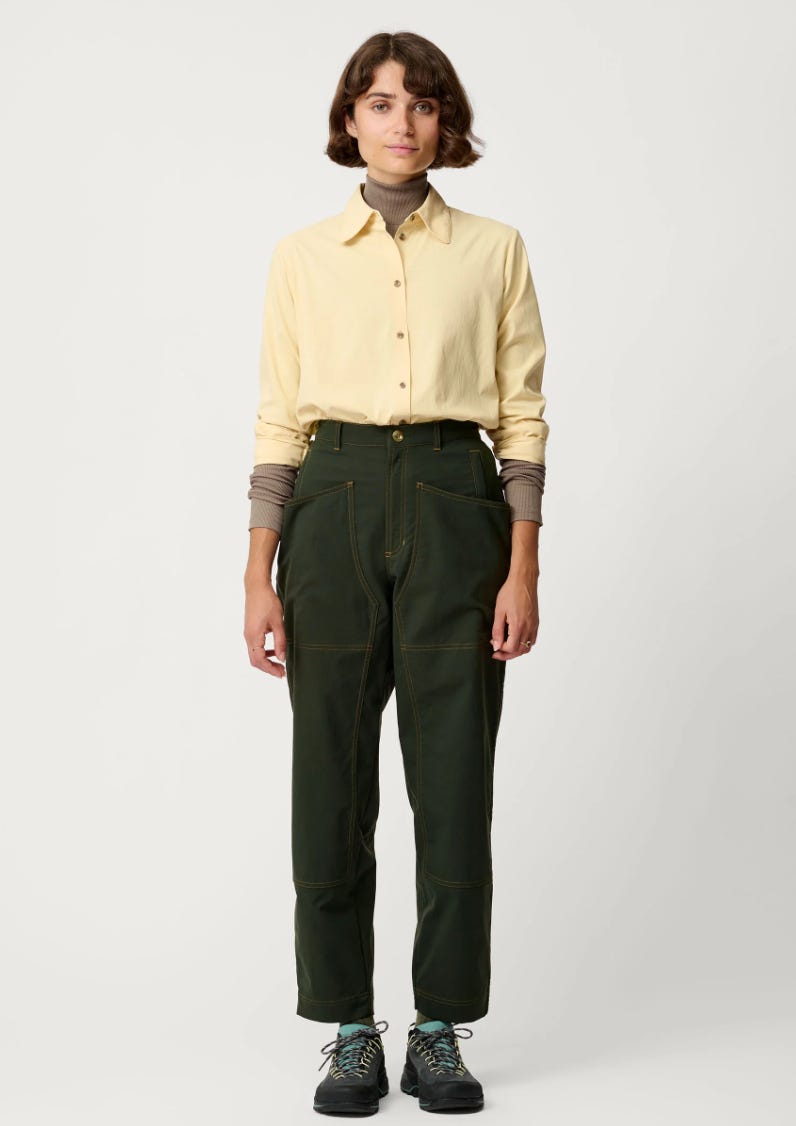
Hikerkind- you’ve heard from them in the show! But their clothes are androgynous, chic, and classic. Their inspiration was the journalist and writer Annemarie Schwarzenbach, and you can tell.

Snowpeak- I won’t pretend that this is some new discovery. This luxe stylish Japanese outdoor brand is pretty well-known by now. But I’m still not over how well they have married form and function. All their garments are simple beautiful and they just happen to be practical and all-weather
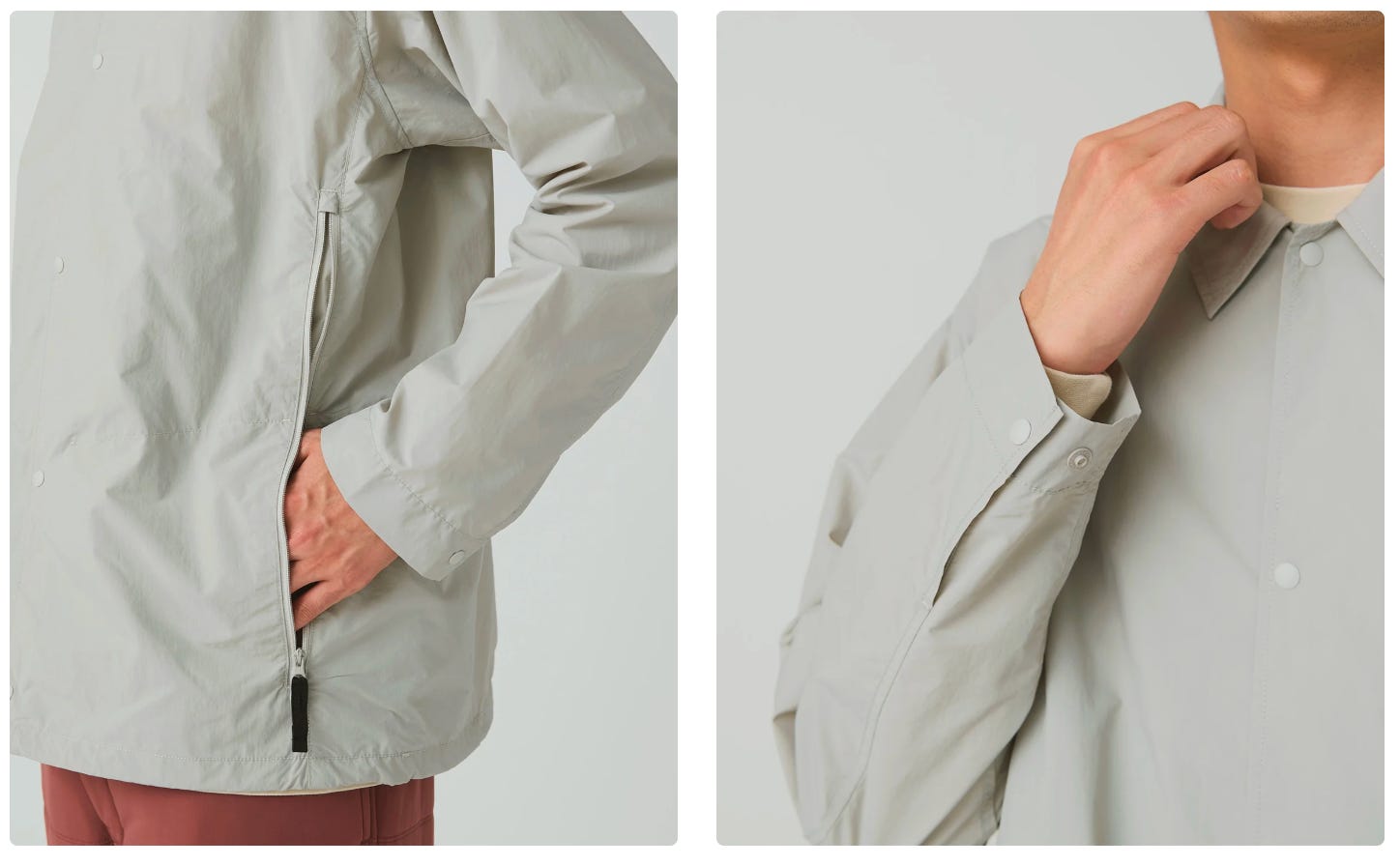
Windthrow- ok while they do make some in-house products and do plenty of collaborations, Windthrown is not just a clothing company. It is an amazing store full of exciting tiny brands to discover. Their curation is impeccable and everyone in Seattle is obsessed with it. I swear, I saw these cute Bedrock Sandals here months before I saw New Yorkers wearing them on the street in Manhattan (New York is losing the crown)!

And it’s ok if you don’t want to go on a hike. You can wear these clothes wherever you are. It’s not tool-ish or poser-y. You have my permission
<3
Avery-- this episode brought so much extra, so much nuance to the already-excellent series. I was never interested in fashion until your podcast dove in, and you've opened that world to me in surprising and moving ways. Thank you, thank you, thank you.
Thanks for this episode, well done. Looking for ways to bridge that civil and military divide (via an exploration of what both share in their outdoor technologies and techniques) was one of the motivating factors for the book. So I am glad to see it here as well.