

Welcome to the new season of Articles of Interest.
I can’t believe I’m finally releasing this thing- I feel so sick to my stomach whenever these big series come out. Ulp. Here goes.
Its timing couldn’t be weirder. What a strangely perfect time to be thinking about the military. And although thinking about clothing might seem like the most superficial take on current events, I’ve learned a lot about the state of the military- civilian divide by looking at what we’re all wearing.
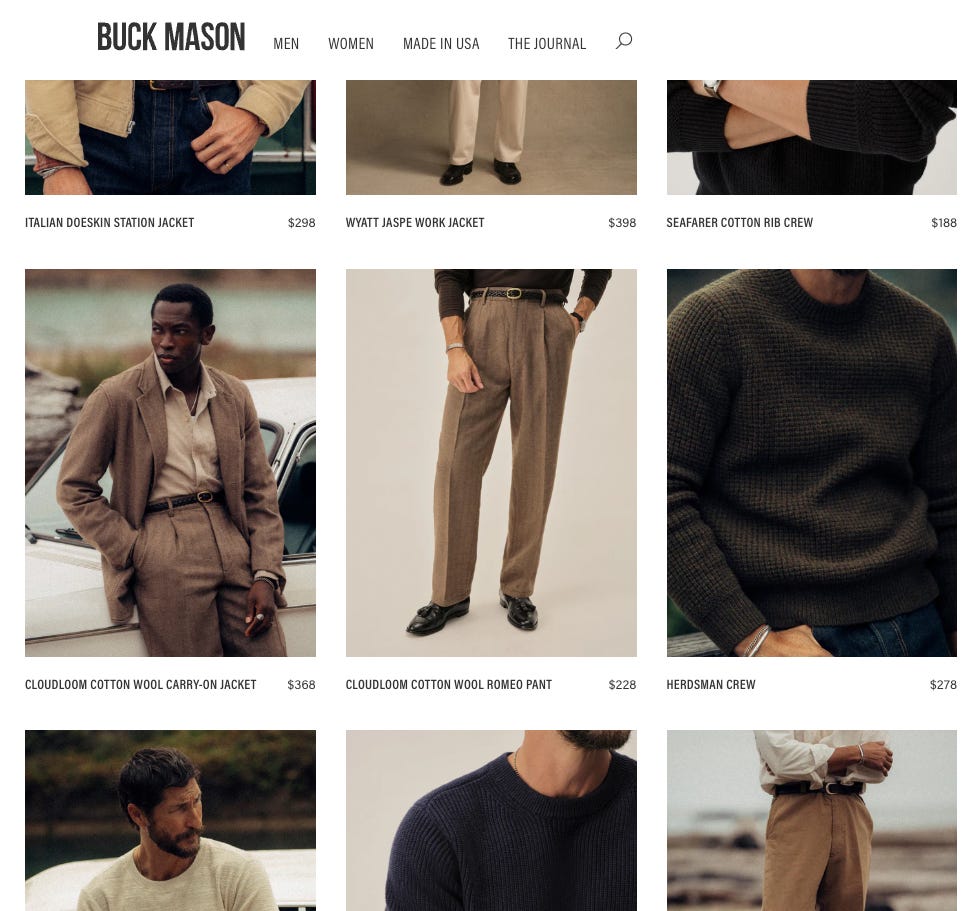
Our story starts at Buck Mason. In their own words, Buck Mason “makes updated, modern American classics.” What they don’t say is that so many of those “American classics” are based on military clothes. I went to Buck Mason’s headquarters in Los Angeles and they showed me just a little of their militaria collection.

SO much of what Buck Mason makes, down to the very stitch count, is based on old military surplus. Military Clothing has become the standard of American dressing.

I’m not the first fashion journalist to be like “did you know that so many of our clothes are based on military designs?” But the military impacts American clothing in more practical ways too. When I spoke with Alex Goulet, one of the authors of Crafted With Pride, a guide to clothing made in the US, we talked about how so many of the clothes made domestically are for the military.
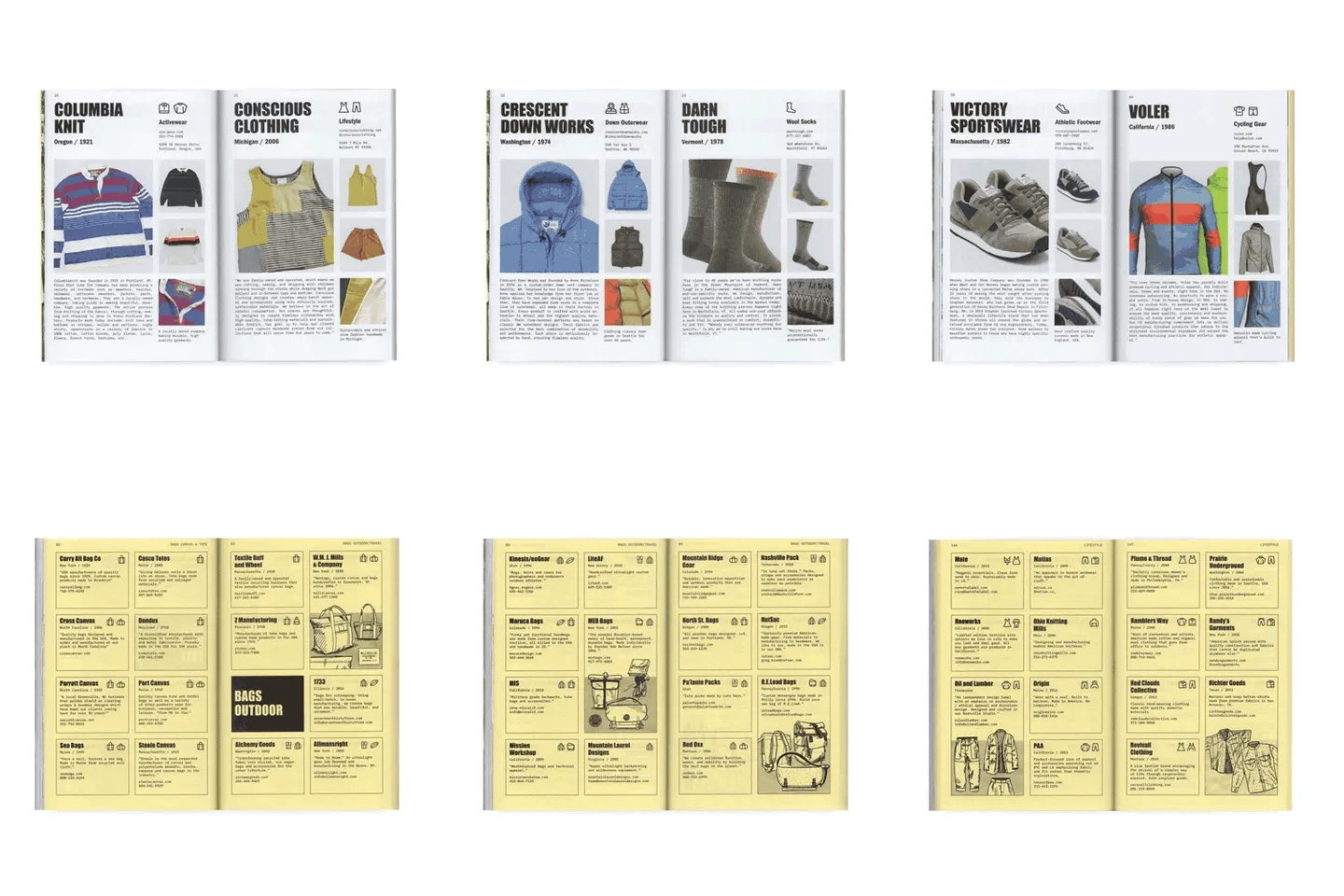
And if you leaf through the pages of Crafted With Pride, you’ll notice a lot of the entries are for… the outdoor industry. They have a particular stronghold in the United States, and in military contracting.
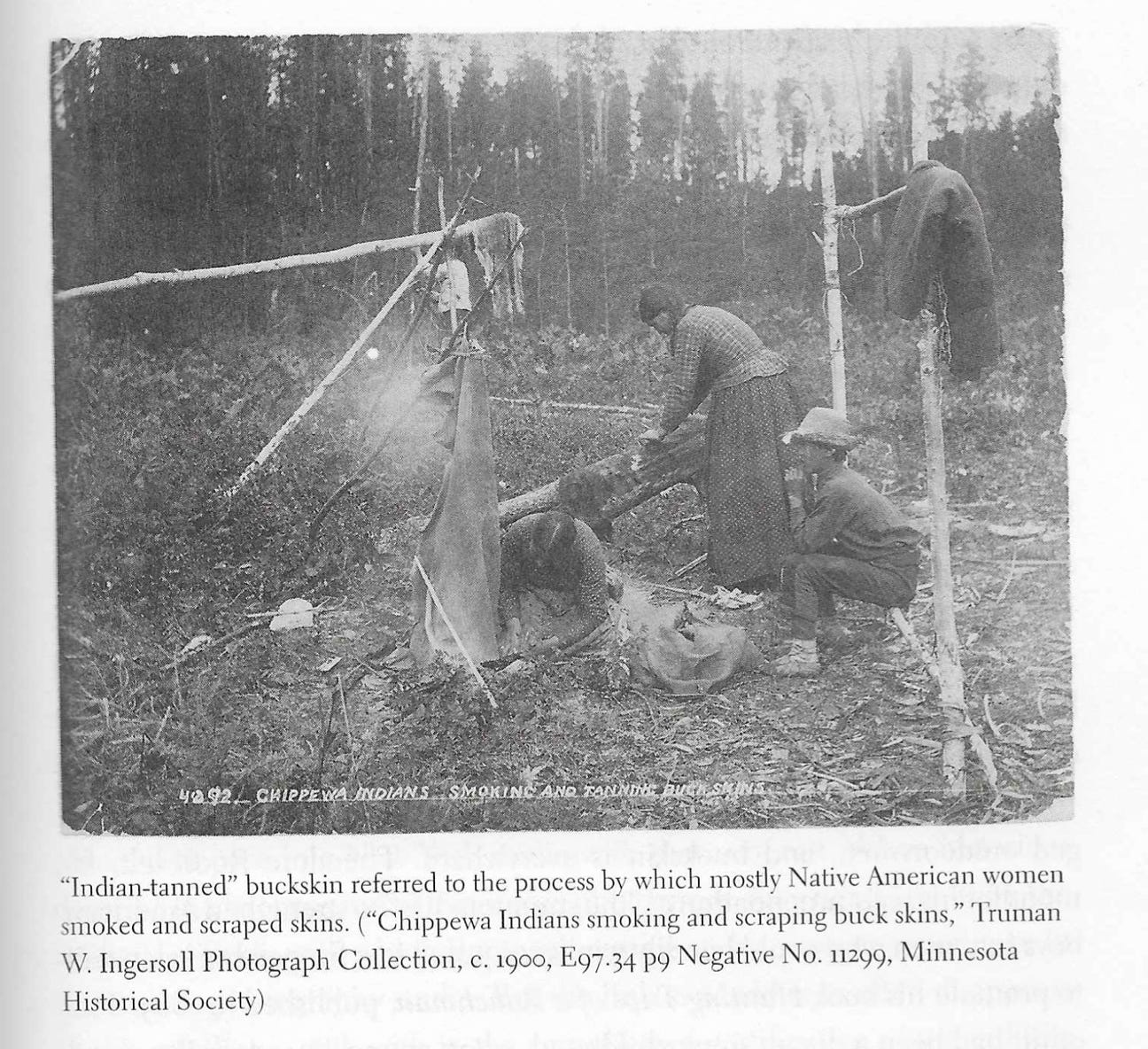
From the time white people got to this land, they have always gone shopping for gear. They didn’t have an indigenous tradition of making clothing for this land and this climate. They bought their gear, usually from Native American women. So the American outdoor industry is, in a way, as old as American colonialism. It’s just that shopping for gear used to be a bit of a dirty secret.
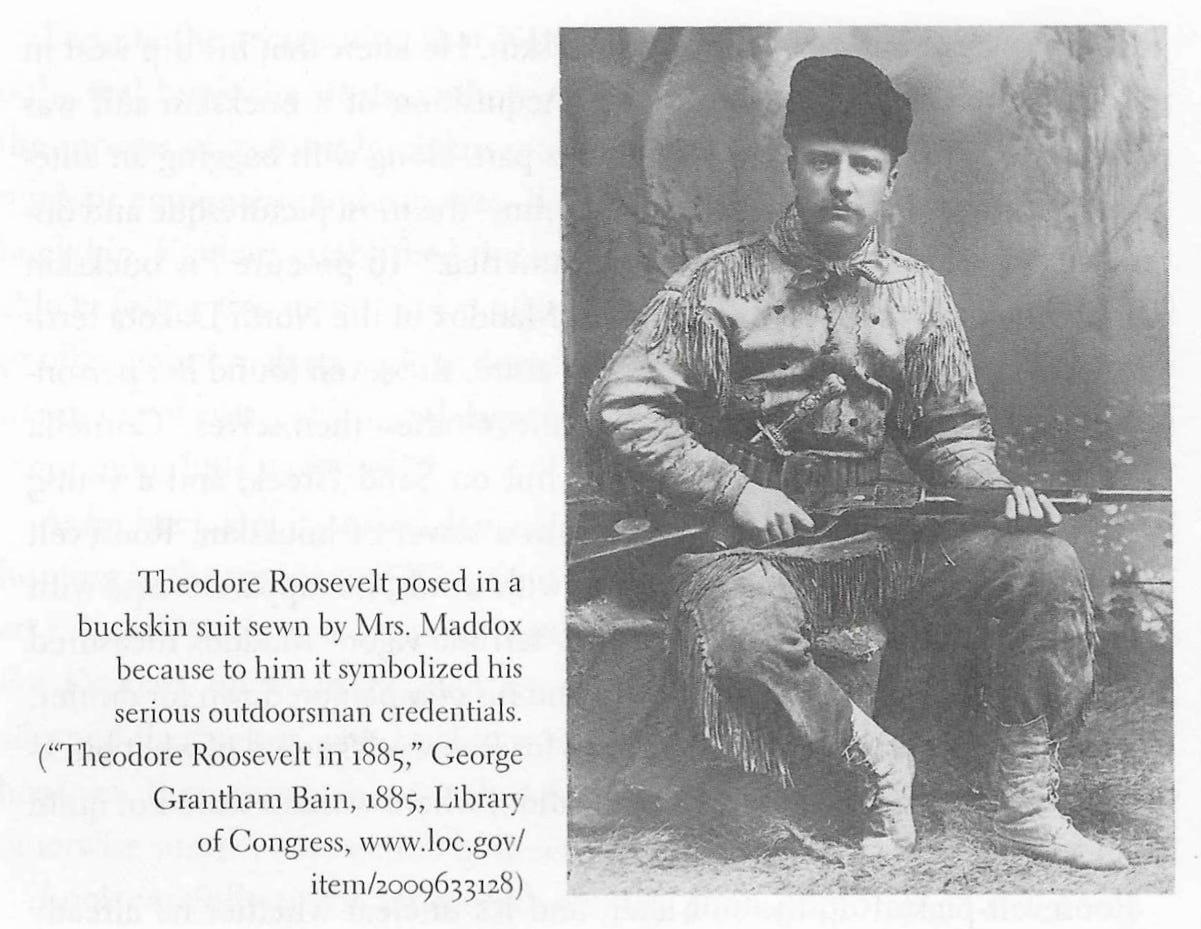
Around the time of the “birth” of the outdoor industry (in the mid 1880s), buckskin suits were the gorpcore of their day. These suits were the way to dress rugged and cool and outdoorsier than you actually were. Wearing a buckskin suit made it look like you shot a deer and tanned the hide yourself. Even though, in all likelihood, if you were a white man, you bought this outfit from an indigenous woman.
So when people like Teddy Roosevelt (who were born in the lap of luxury in New York City) are putting on fringed buckskin suits, they’re sort of dressing as a mix of faux-indigenous and an imaginary Davey Crockett. And he’s also kind of imagining a version of how our rugged Founding Fathers used to dress.
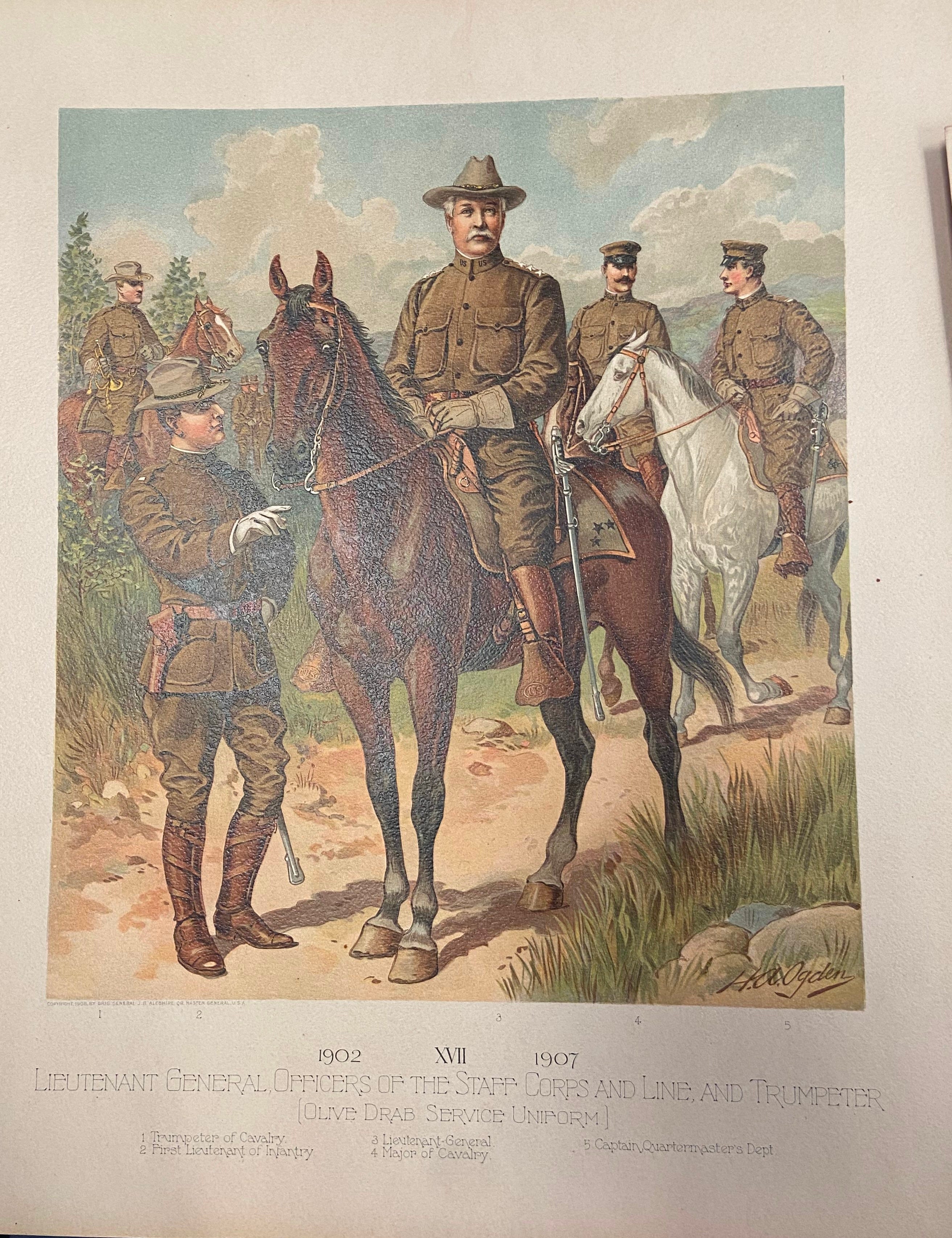
Look at this plate by Henry Alexander Ogden
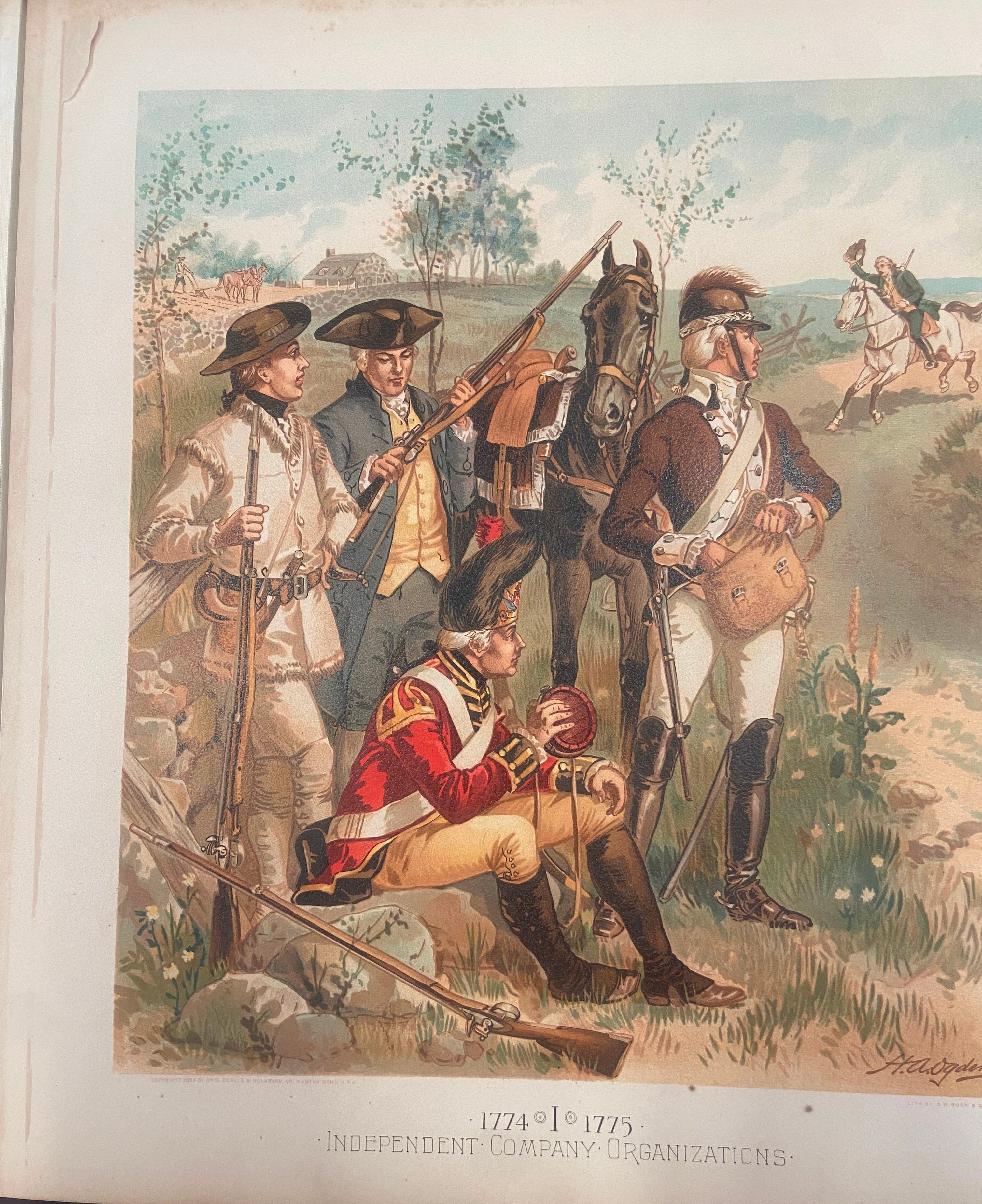
See that guy on the far left? Wearing the fringey thing? That was a popular garment called, simply enough, a hunting shirt.
The hunting shirt wasn’t made of buckskin (it was usually made of linen), but it was to hunt deer, mostly by hunters in the Virginia colony. It was this big fringey faux-indigenous sort of smock. It was really easy to just slip over anything else you were wearing. So it became an easy uniform for militias.
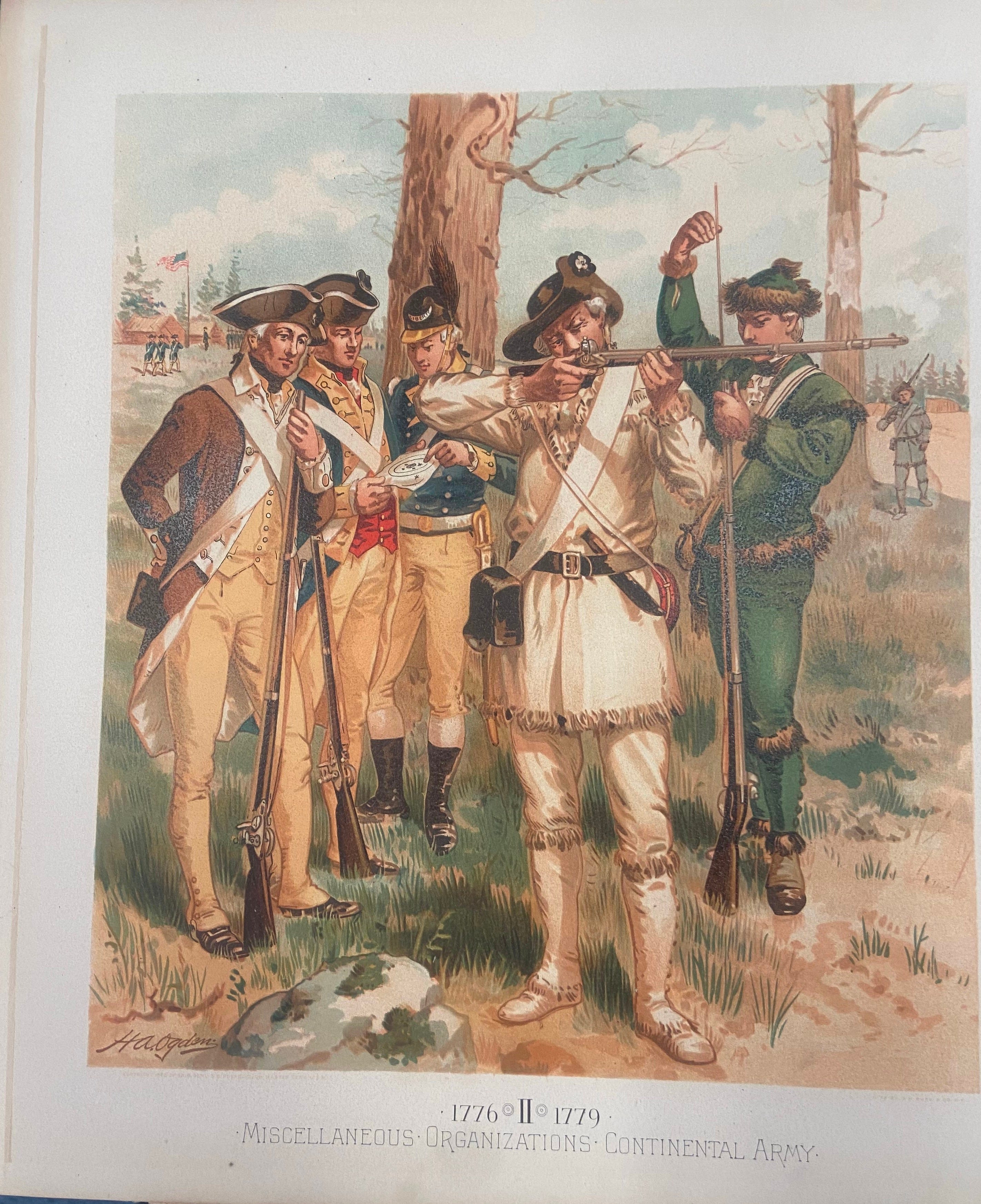
For a while, it was thought that hunting shirts might be a great uniform for the United States military. Because maybe we wouldn’t have a military. Thomas Jefferson was initially opposed to the idea of having a professional army, since, you know, military coups do happen even in democracies. Maybe we could just have militias of citizen volunteers instead!
But no, actually, it turned out that was a terrible idea. The militias got their asses handed to them at the Battle of Brooklyn and realized… maybe we should get a real army and dress them in something other than these hunting shirts. It was time to get a real uniform.
The US military dresses in blue. While we think of army green now- for decades, the US army’s color was blue. This was our signature color. But our style changes as we search for a sense of national identity.
Initially our uniforms look almost exactly like the British. And once we become independent, we just look around at what military is in power and, essentially, copy them.
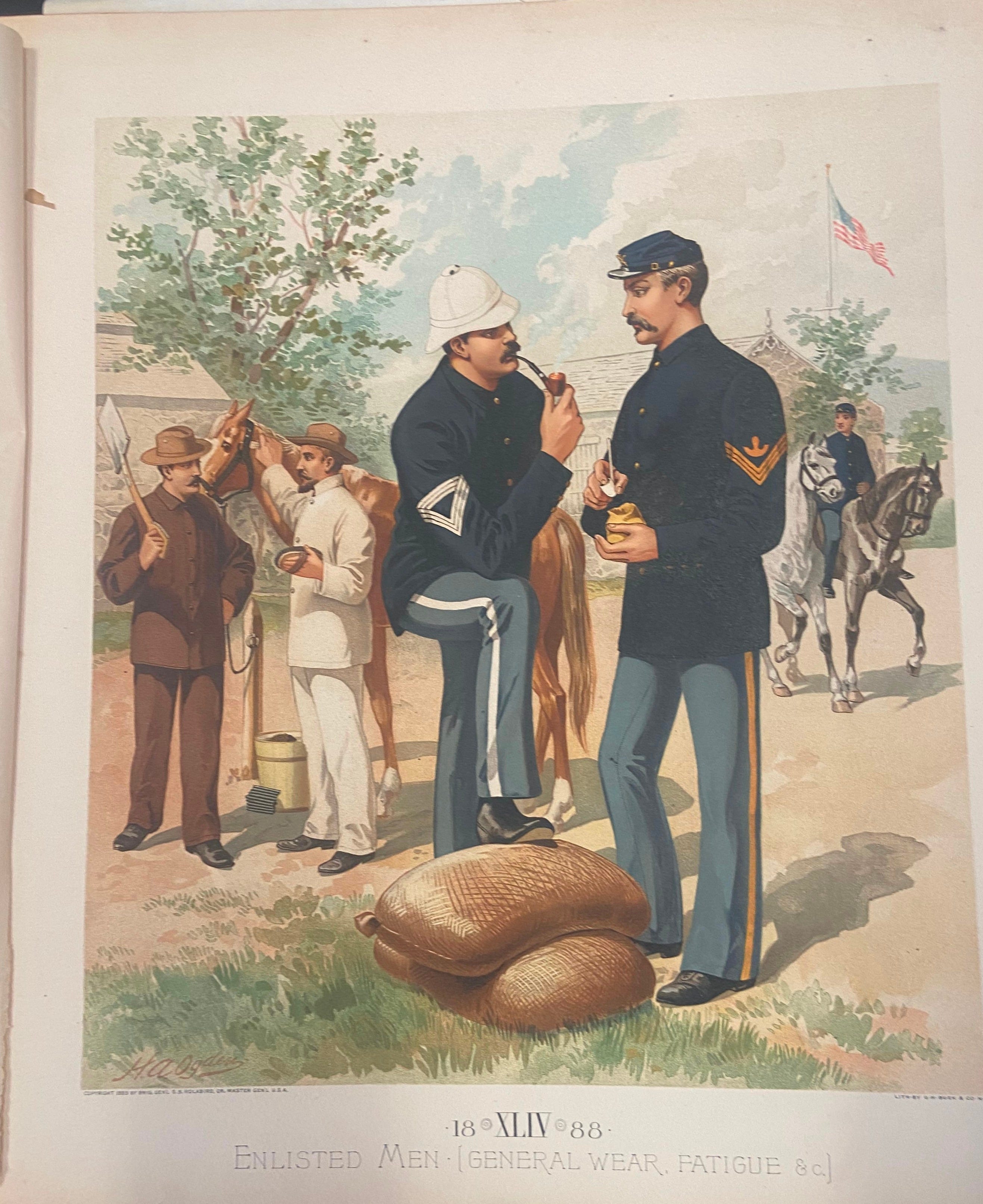
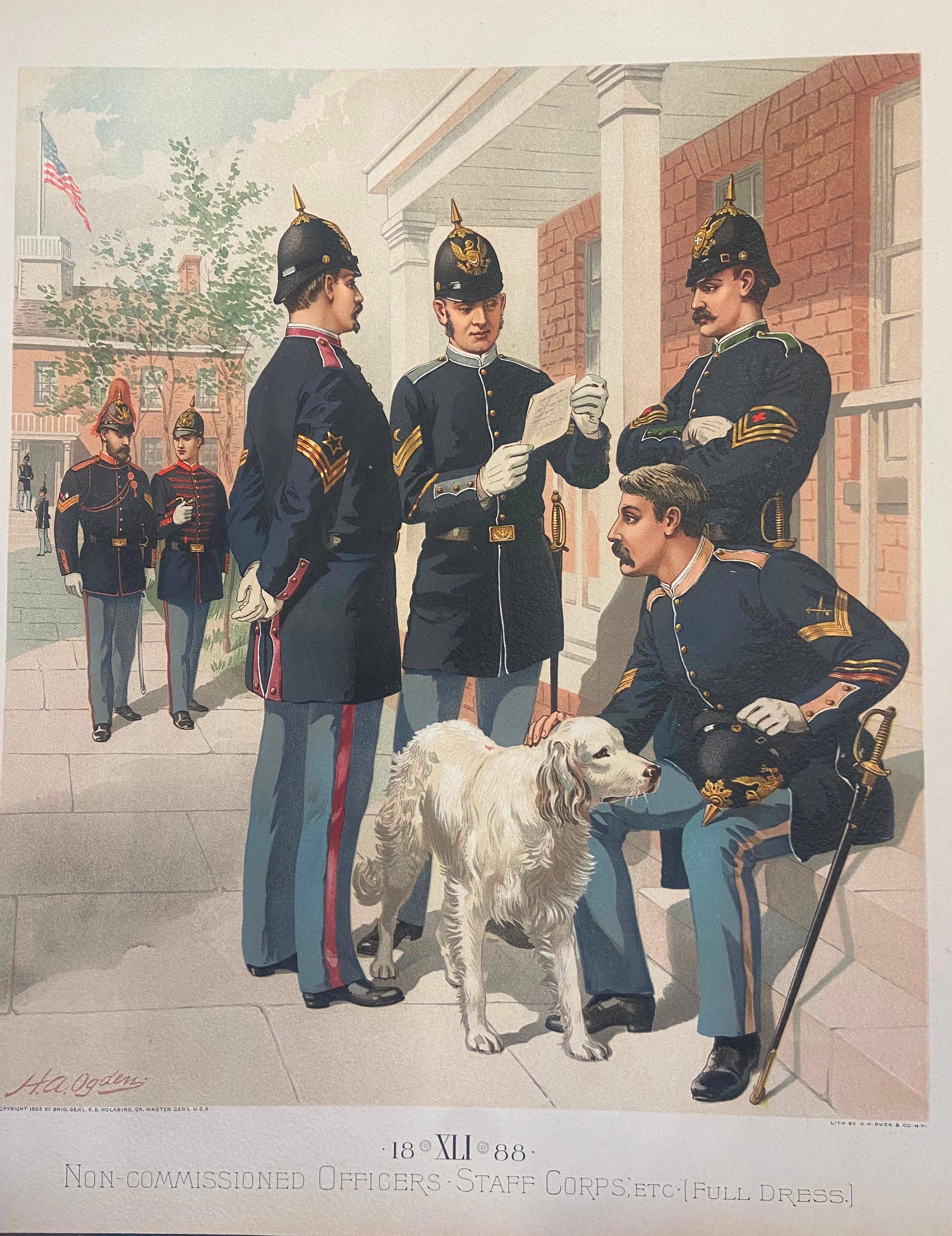
But the biggest sartorial change in US military costume comes from a war that’s not talked about enough. The Spanish American War. A war that we essentially got into because…. a number of congressmen and prominent newspaper publishers felt that it was time to have another war.
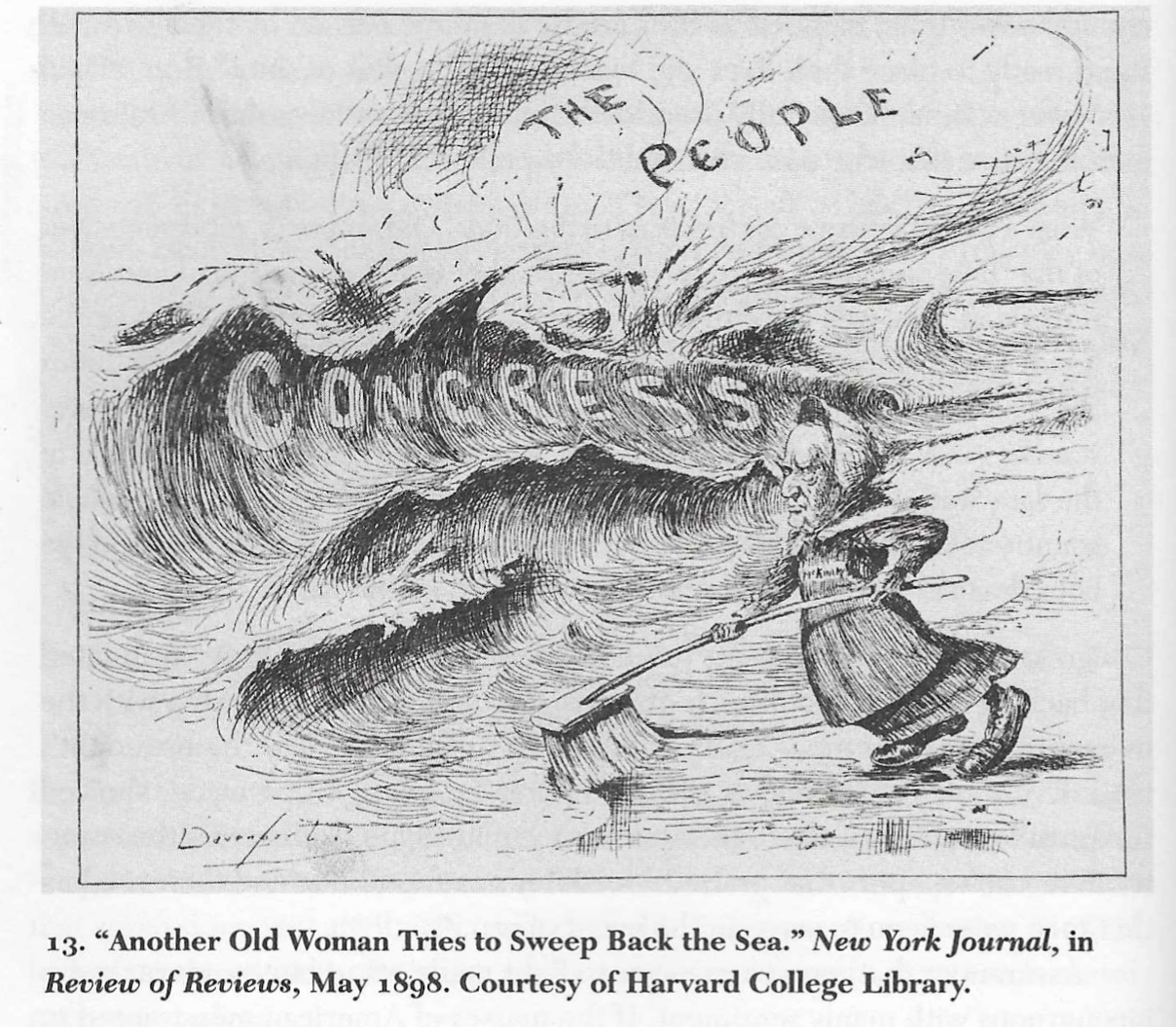
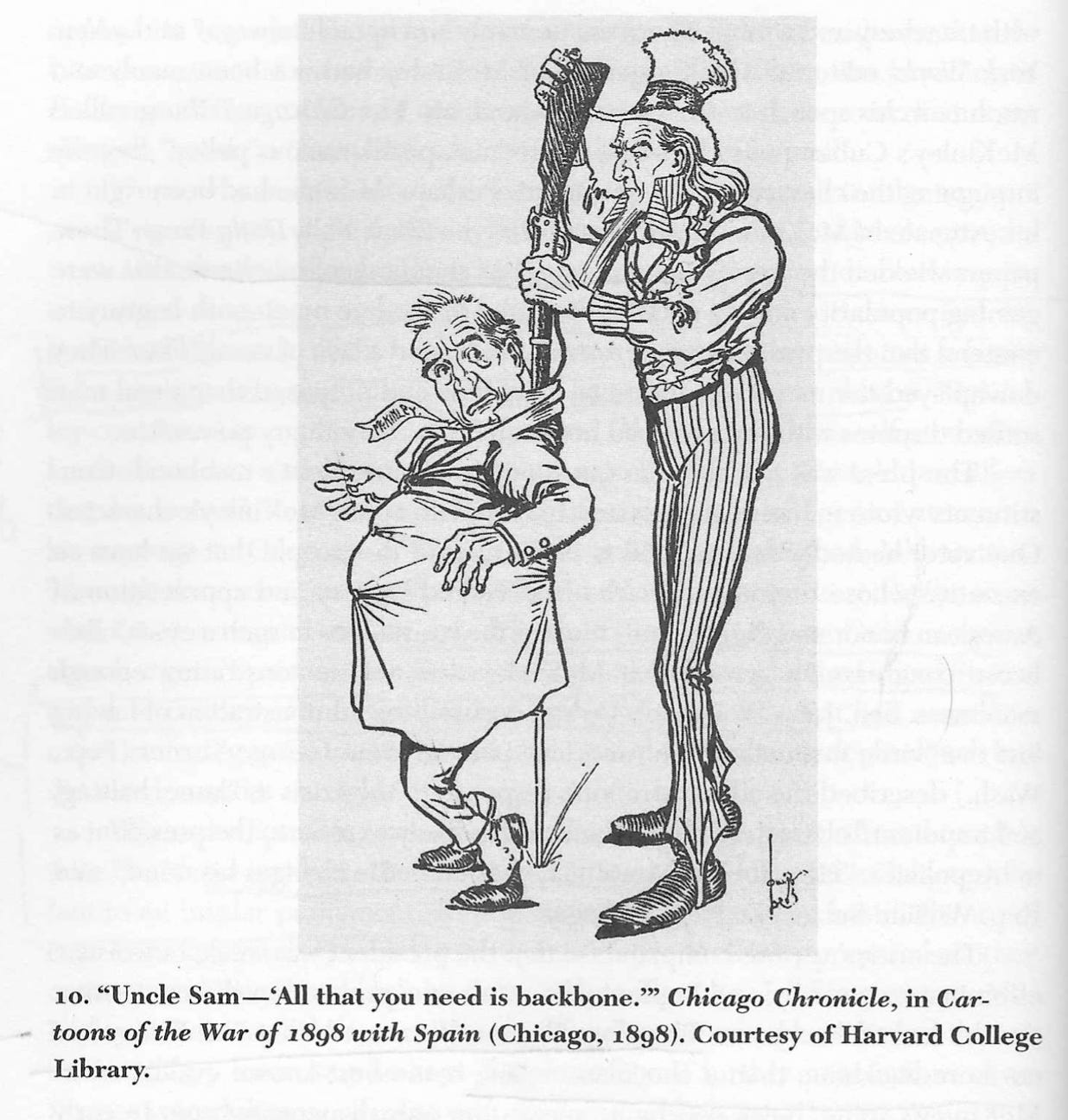
I spoke with the historian Kristin L. Hoganson, who spoke about how so much of this desire to go to war was… men wanting to assert themselves. They were threatened by the “New Woman”- who was suddenly wearing pants and smoking cigarettes and riding bikes and asking for votes.
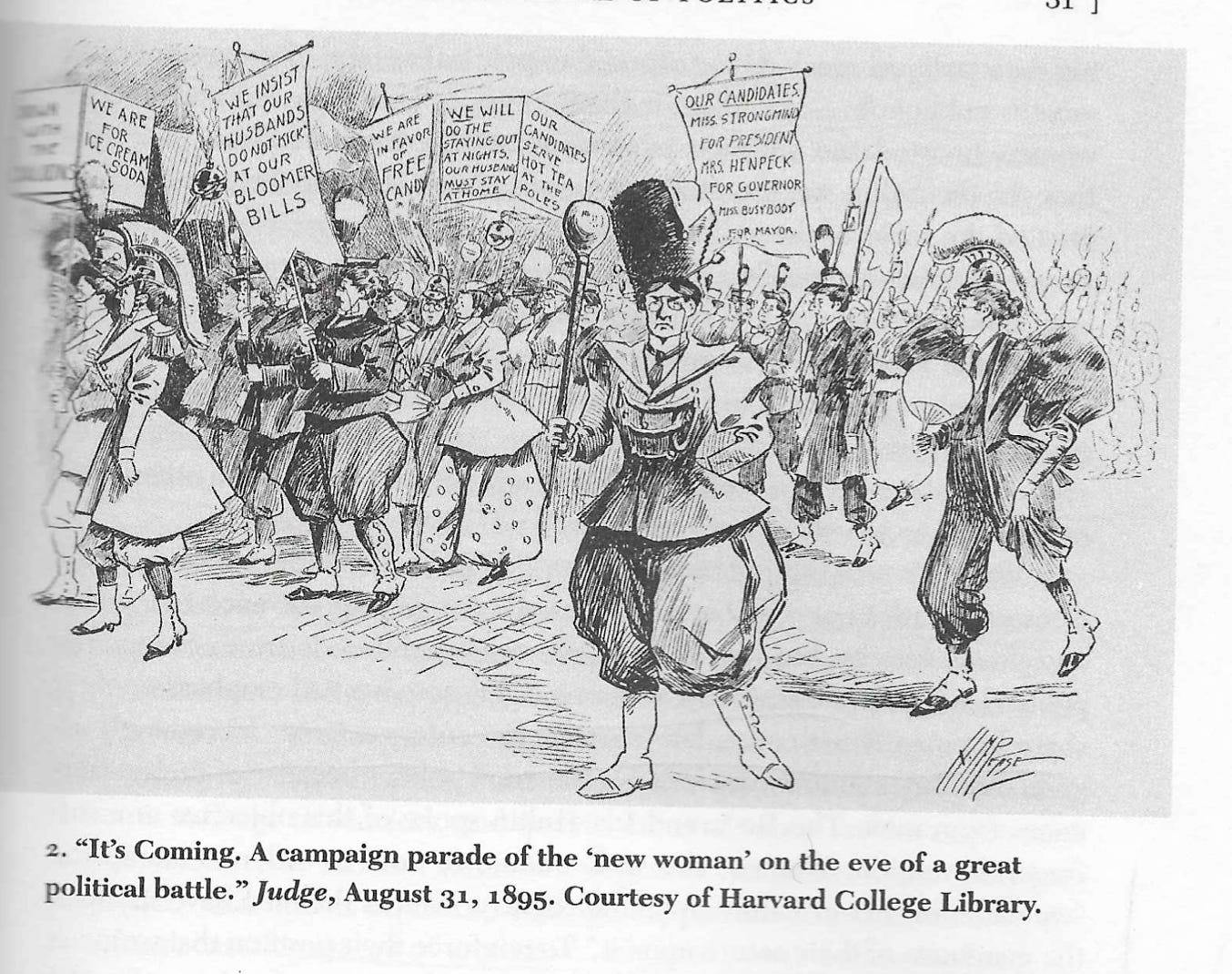
Women were beginning to throw their political weight around, and had radical new ideas about how to run the world. And one idea that really had traction was a movement called Arbitration.
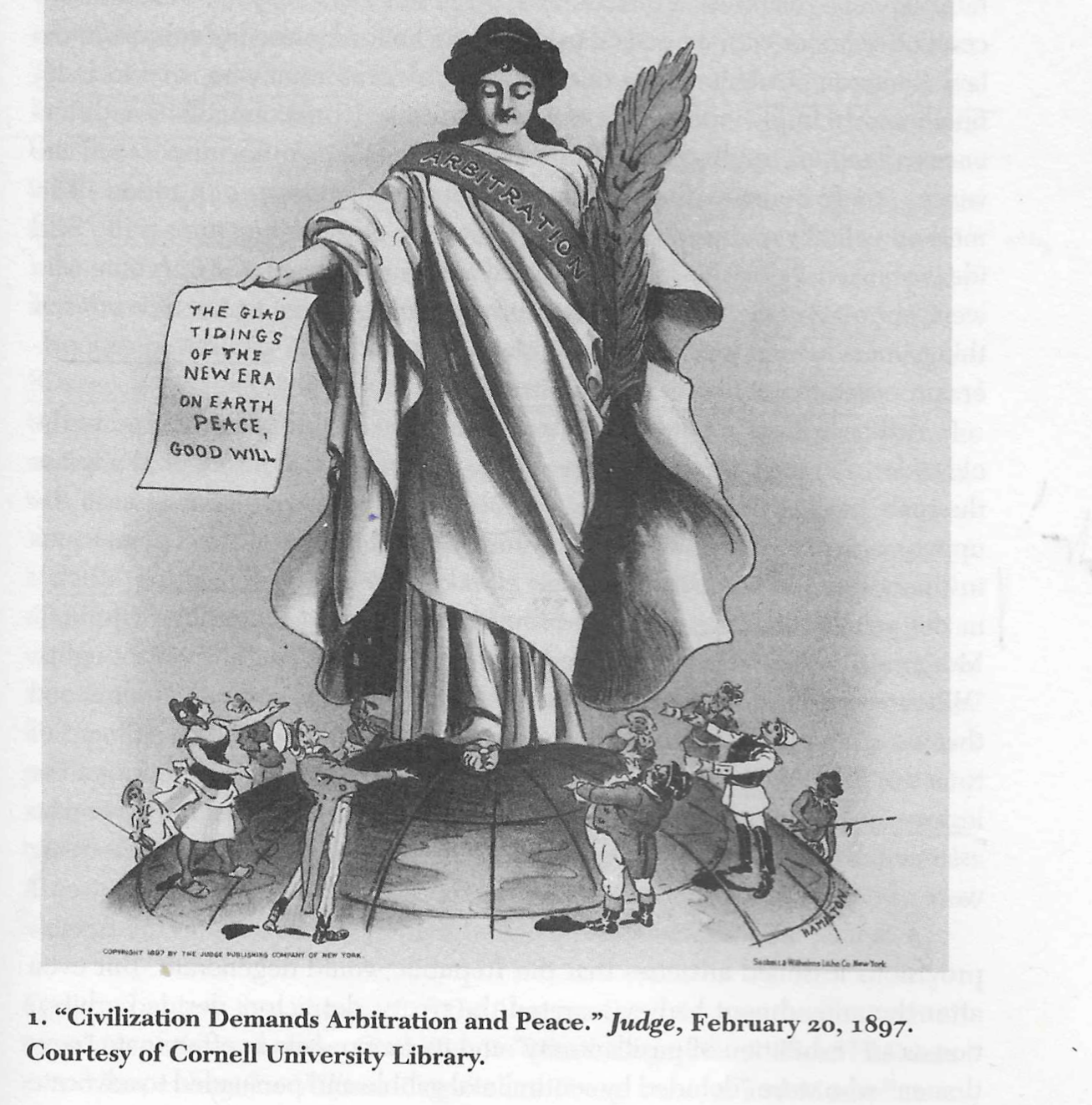
Arbitration was a movement that demanded that the United States no longer fight wars, but instead talk through all conflict. And this wasn’t just a pipe dream. We really tried to act on this- like bills about ending armed conflict were circulating through halls of congress.
The Spanish American war is when we went from the edge of Arbitration into one of the strangest most arbitrary wars we have ever embarked on. And this is how the United States army shed their signature blue.
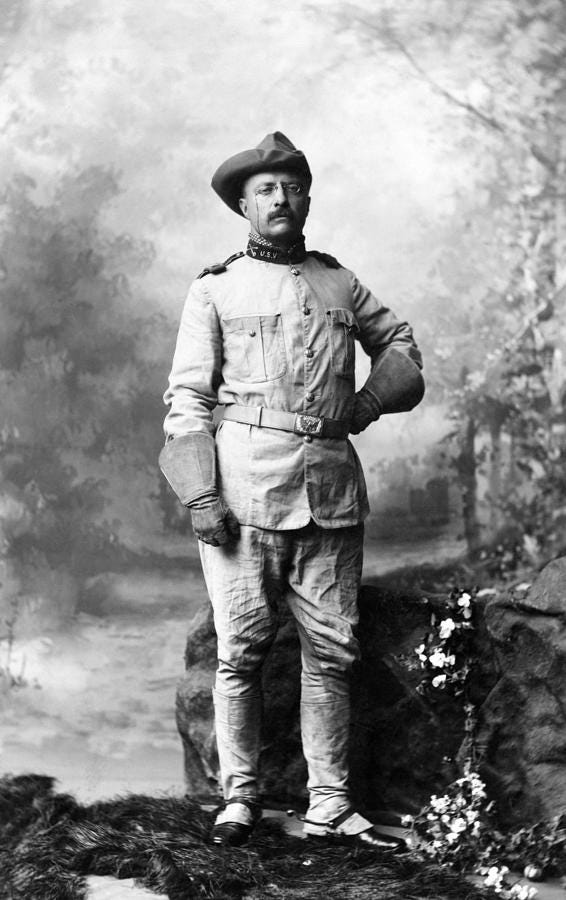
We left that war in khaki.
And this was also the uniform that Teddy Roosevelt ended up wearing in that war.
This was the war that would eventually tee Theodore Roosevelt to lead us into the 20th century.
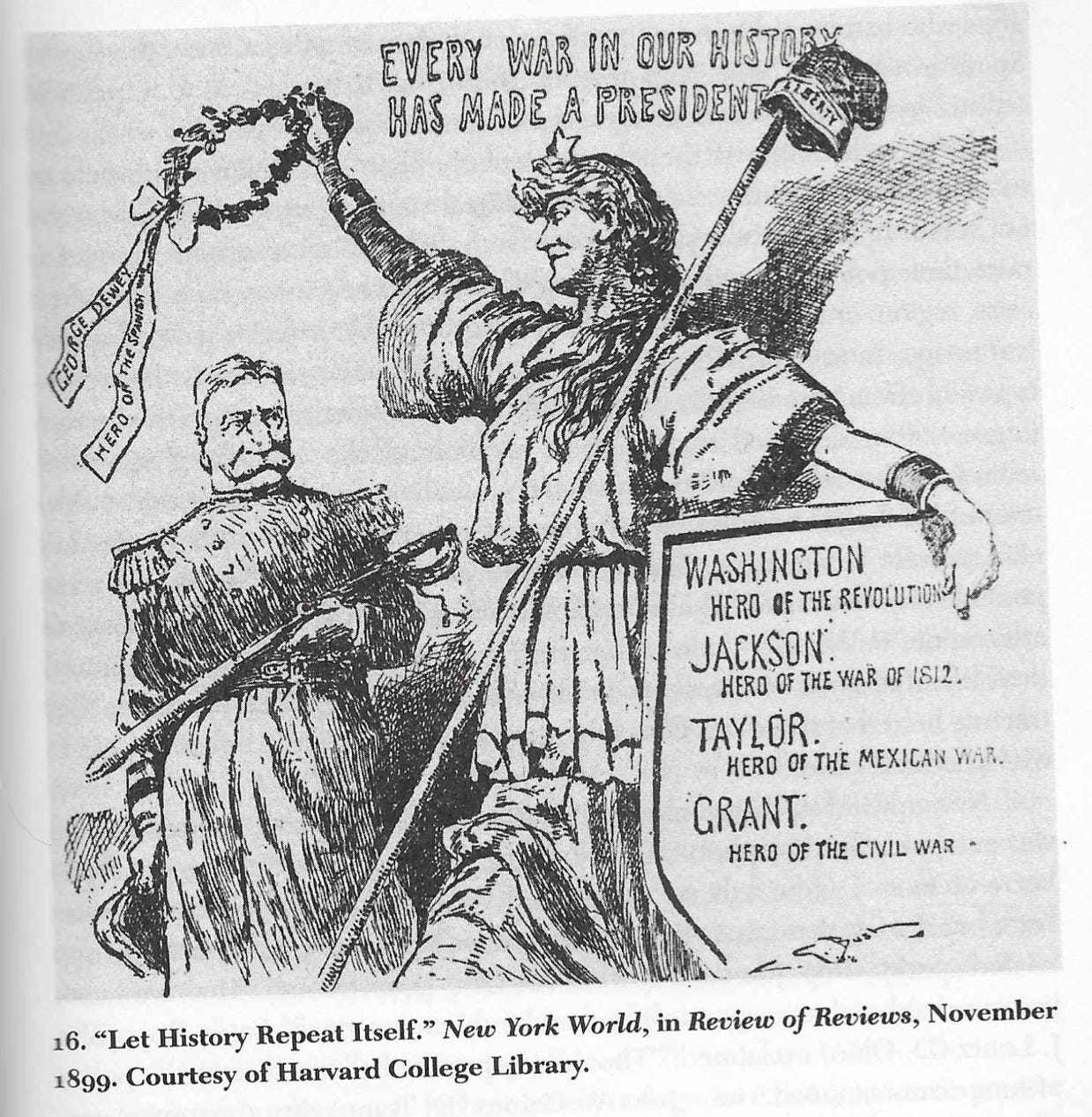
The Spanish American war was the United States’ first war abroad. This was when we realized. If we were going to keep fighting in different locations with different climates, we should learn some lessons from a new burgeoning industry: the Outdoor Industry.
But that’s next episode.
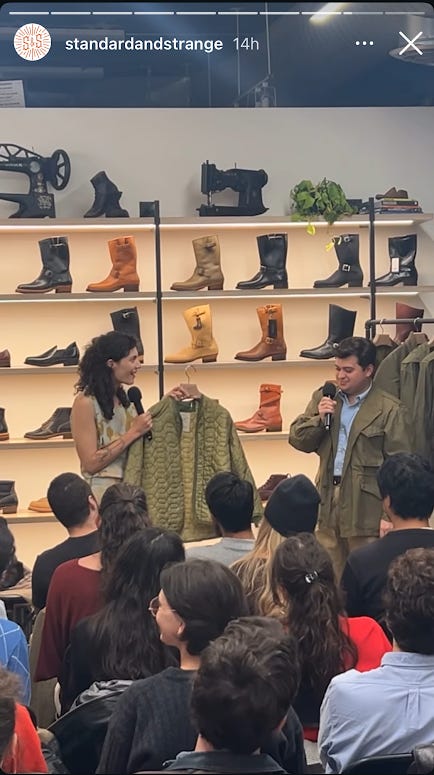
If this military stuff interests you and you want to know more (including some spoilers in the series!), check you Charles McFarlane’s substack- he was my consultant and guide this season, and appears in most episodes. Last night we had a little “launch party”/ press event where Charles showed off his collection of field jackets.
Literally pumping my fist and screaming “LETS FUCKIN GOOOOOOOOOO!!!!” like a large heterosexual sports fan
The follow up to American Ivy we were all waiting on